
I do not remember exactly how the idea of going to Cuba began.
I think Mitzi and Melissa were talking one night—maybe texting—and somehow Cuba came up. It may have been Mitzi’s idea. That part is fuzzy now.
What I do remember is my reaction.
Cuba?
As far as I knew, nobody went to Cuba. Cuba was off-limits. Closed. Frozen in time. A dead country.
This, of course, was based on my extensive credentials as an accomplished historian—which is to say, whatever I had picked up from school, television, American politics, rumors, and the general collection of half-truths we carry around without ever stopping to question them.
For a week or two, we kept kicking the idea around.
Could we actually go to Cuba?
Why would we go to Cuba?
What would we even find when we got there?
Then we started looking into it and learned that travel restrictions had loosened. Some temporary agreements had been made, tourism had become possible under certain conditions, and cruises had begun stopping in Havana.
I am sure there was all kinds of political hoodoo behind it, most of which I did not understand then and probably would not understand now.
But the door was open.
And the easiest way through it was on a cruise ship.
That presented another first for me because I had never been on a cruise either.
Suddenly, this was not just a trip to Cuba. It was my first cruise, with our friends Greg and Mitzi, to a country I had spent most of my life believing I would never be allowed to visit.
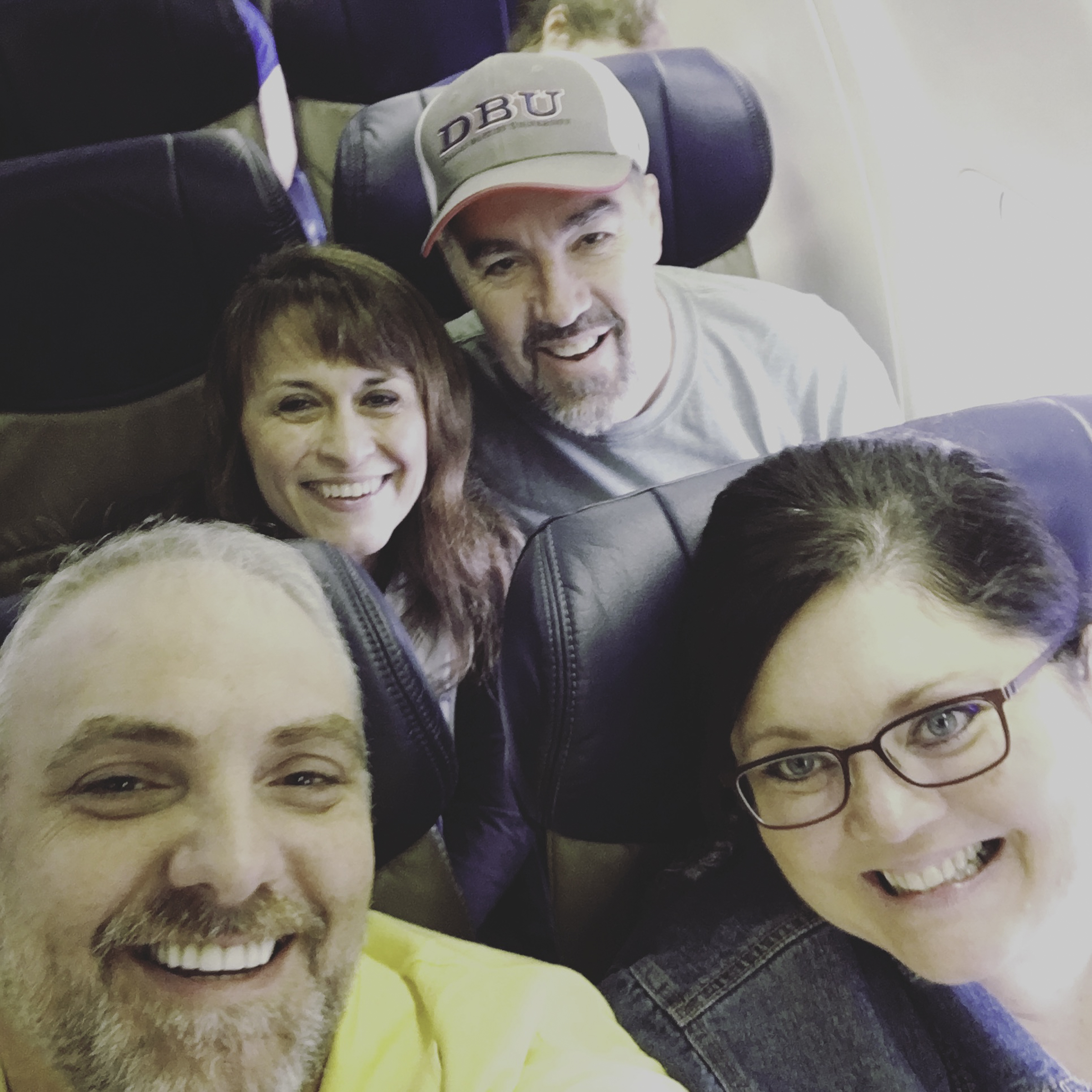
Greg is a photographer from the Dallas–Fort Worth area. We originally met through music, and even though the four of us have not spent nearly as much time together in recent years, we still consider Greg and Mitzi incredible friends.
They were exactly the kind of people with whom you take a trip like this.
Once the cruise was booked, the entire thing started feeling unreal.
There are moments in life when you recognize that an opportunity may never come around again. Sometimes we miss those moments because we are too busy, too cautious, or too concerned about whether the timing makes sense.
But every now and then, you recognize one while it is happening.
This felt like one of those moments.
Maybe Cuba was about to open permanently. Maybe it was becoming the next vacation destination. Maybe, in a few years, going there would feel no more unusual than flying to Mexico or taking a weekend trip to the Caribbean.
Or maybe the door would close again.
We had no way of knowing.
All we knew was that, for this brief stretch of time, we could go.
So we did.
The cruise left from Miami. Before boarding, we spent some time with Mitzi’s family and got to visit with our friend Allen.
Then we got on the ship, and the cruise itself became an experience all its own.
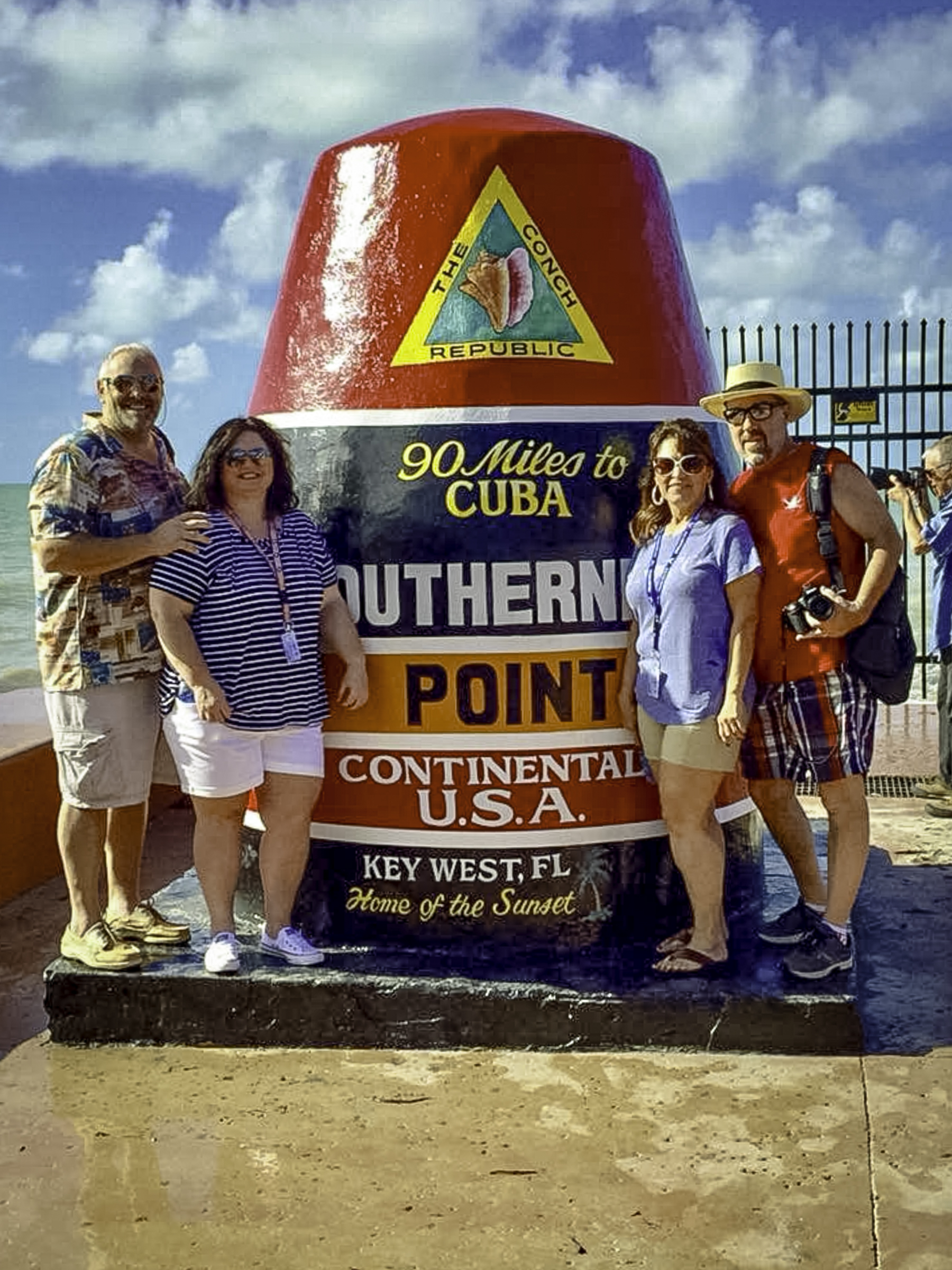
We stopped in Key West and spent the day there.
Ninety miles from Cuba, according to the giant landmark we were required by vacation law to pose beside.
Since then, our daughter Heather and her husband, Trey, have practically turned cruising into a pastime. They take multiple trips and make the whole thing look routine.
I am only a little jealous.
That trip remains the only cruise Melissa and I have ever taken, which probably made everything feel even more surreal.
Every part of it was new—the ship, the cabins, the food, the open water, the strange feeling of going to sleep in one place and waking up somewhere else.
Because Cuba is not exactly on the other side of the world from Florida, the ship seemed to spend an entire day moving very slowly across a relatively small stretch of water.
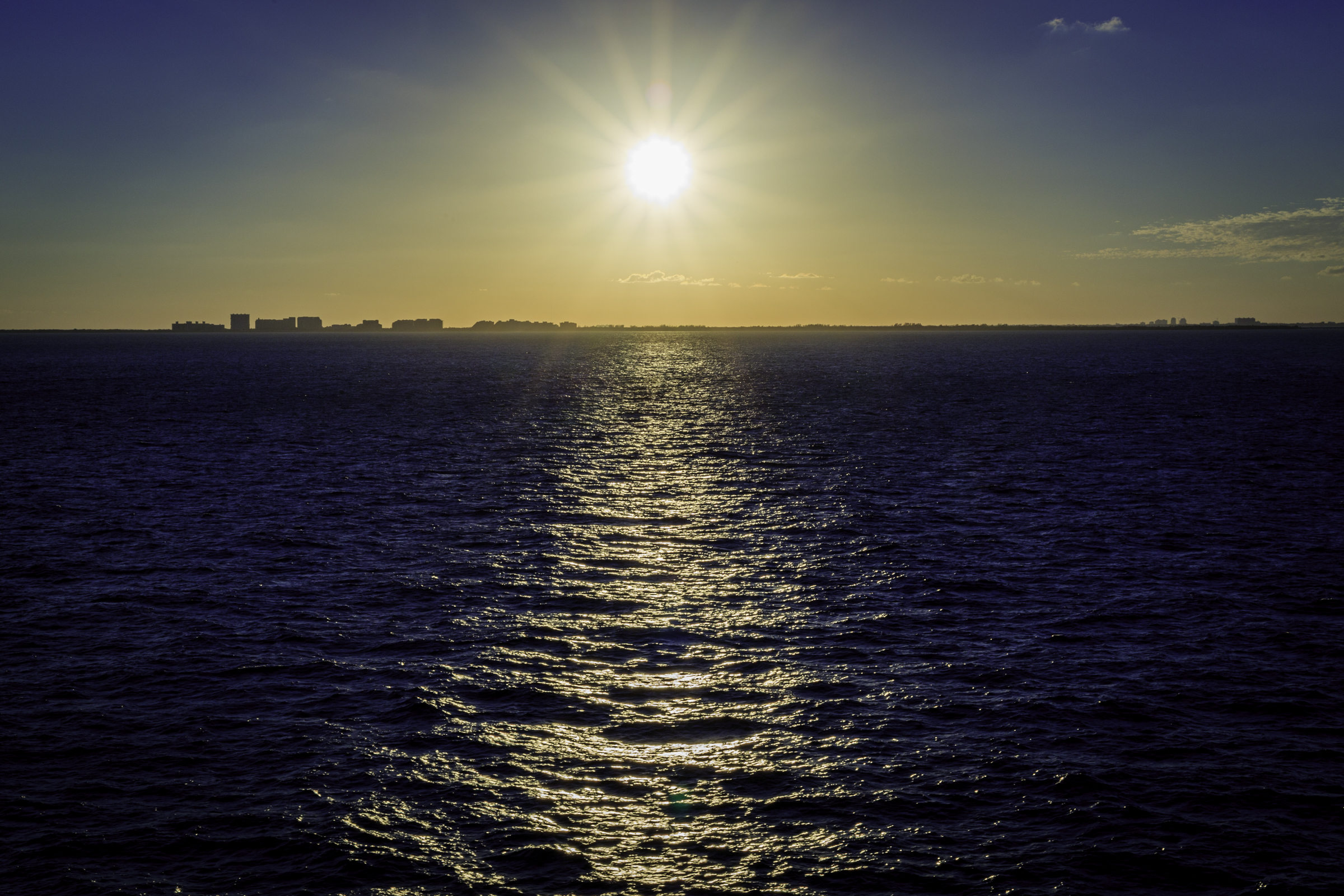
But Cuba was coming.
And the closer we got, the more the questions returned.
What would it actually be like?
Would it look the way we had been told it looked?
Would it feel isolated?
Would it feel poor?
Would it feel dangerous?
Would we immediately understand why Americans had been kept away for so long?
Or had everything we believed about the place been filtered through decades of politics, ideology, public education, and our own national point of view?
I did not know.
That was part of the excitement.
It was also part of the anxiety.
When Havana first appeared on the horizon, it did not answer any of those questions.
It only made them louder.
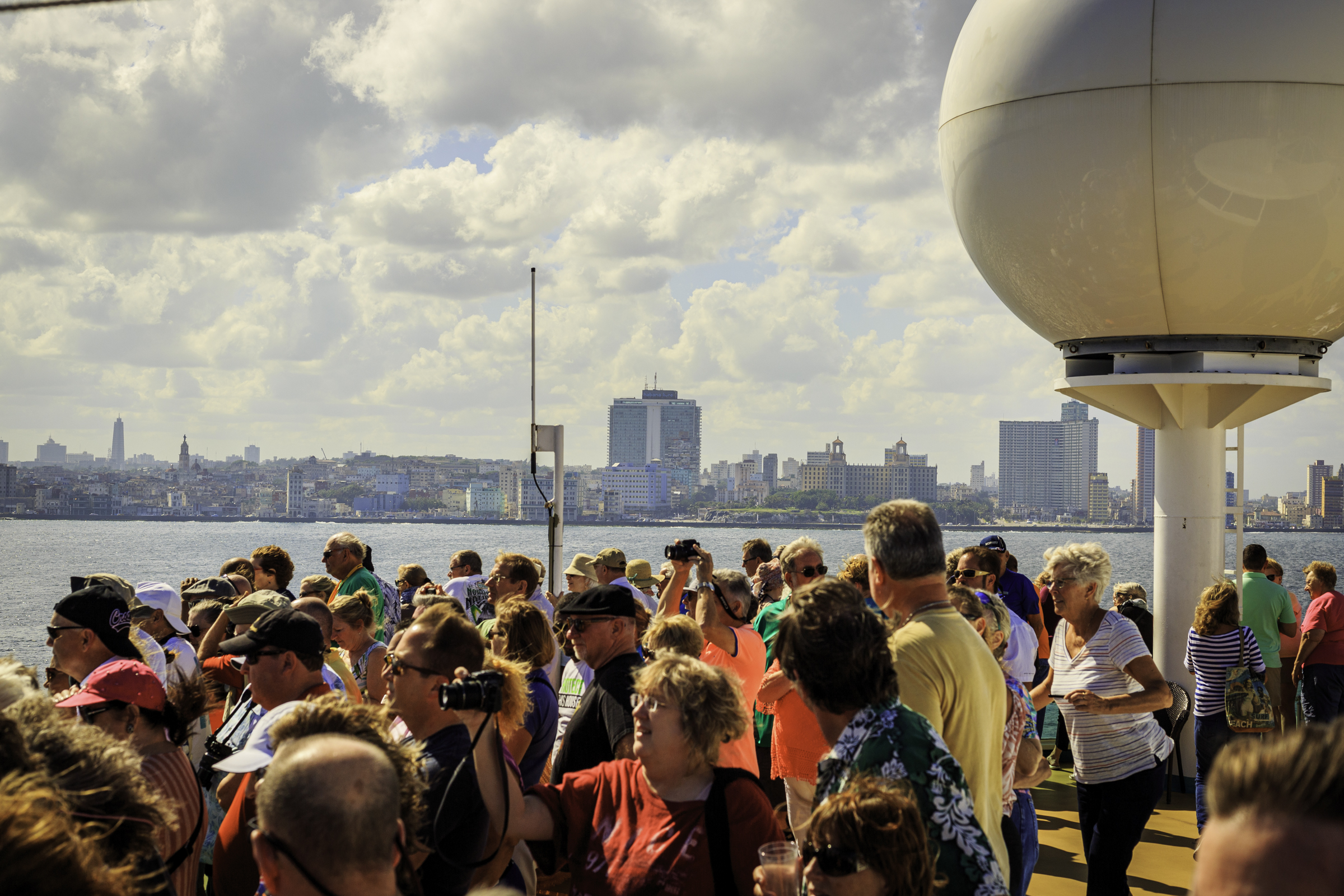
As the ship approached the harbor, everyone began moving toward the railings. There were probably a thousand people aboard, and it felt as though every one of them was politely negotiating for enough space to see the same thing.
Nobody wanted to miss the arrival.
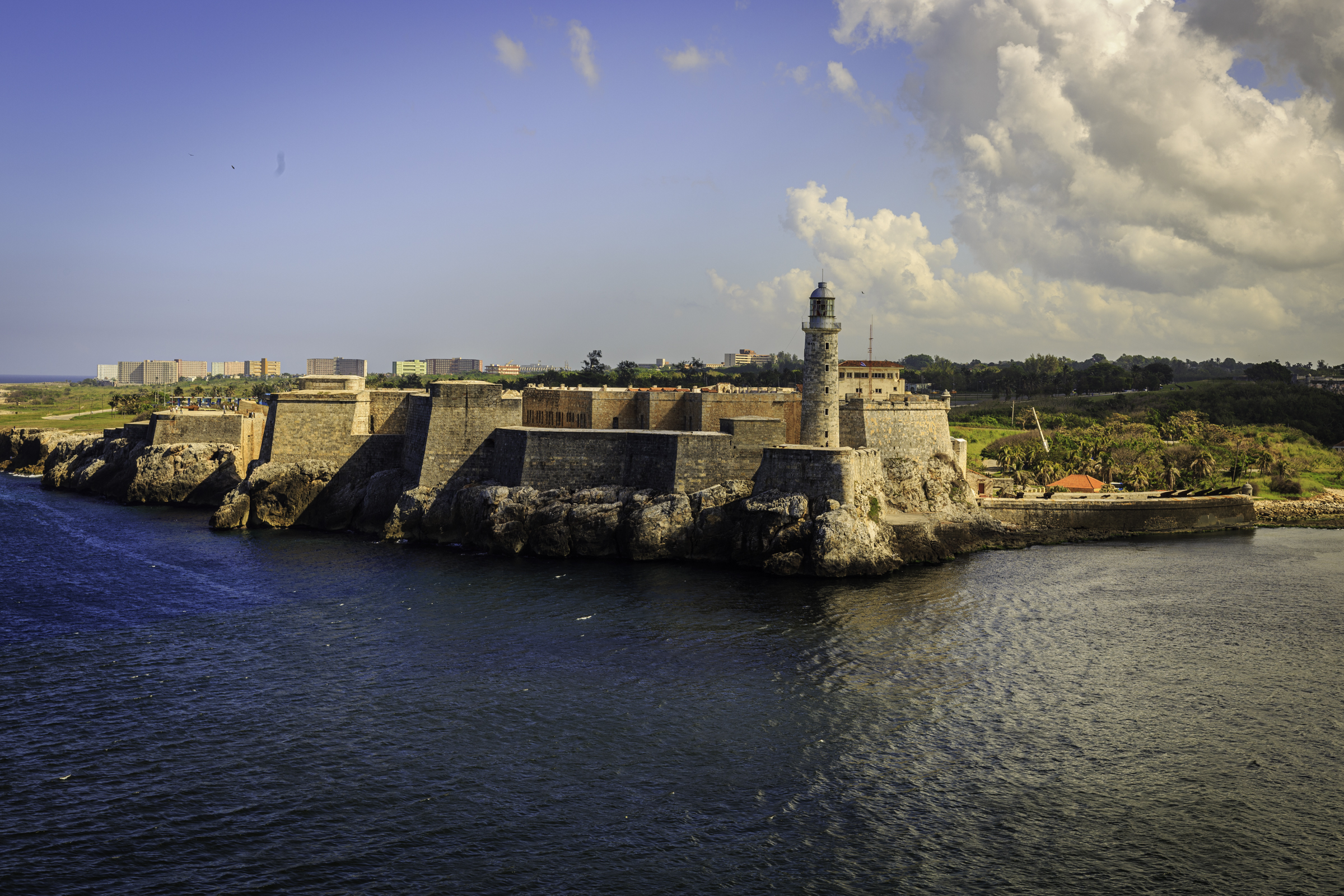
Before entering the harbor, the ship passed between old fortifications standing on either side of the entrance.
Those forts were already centuries old long before Castro’s Cuba, the revolution, the embargo, or any of the history most Americans associate with the island.
That was the first reminder that Cuba’s story did not begin with its relationship to the United States.
This small island had been protecting its harbor, its territory, and its sovereignty for hundreds of years.
The country we thought had been frozen in the twentieth century was already forcing us to look further back.
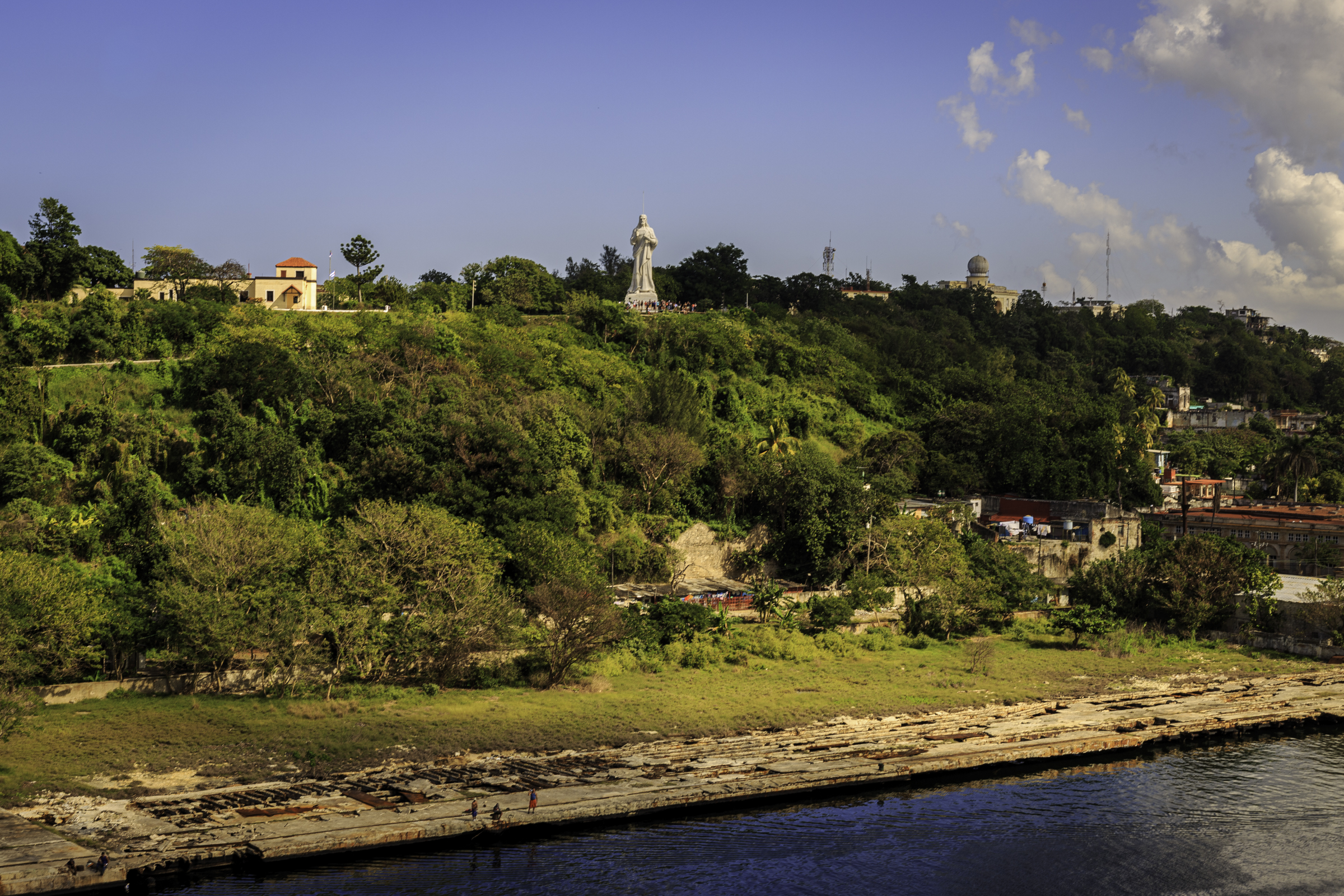
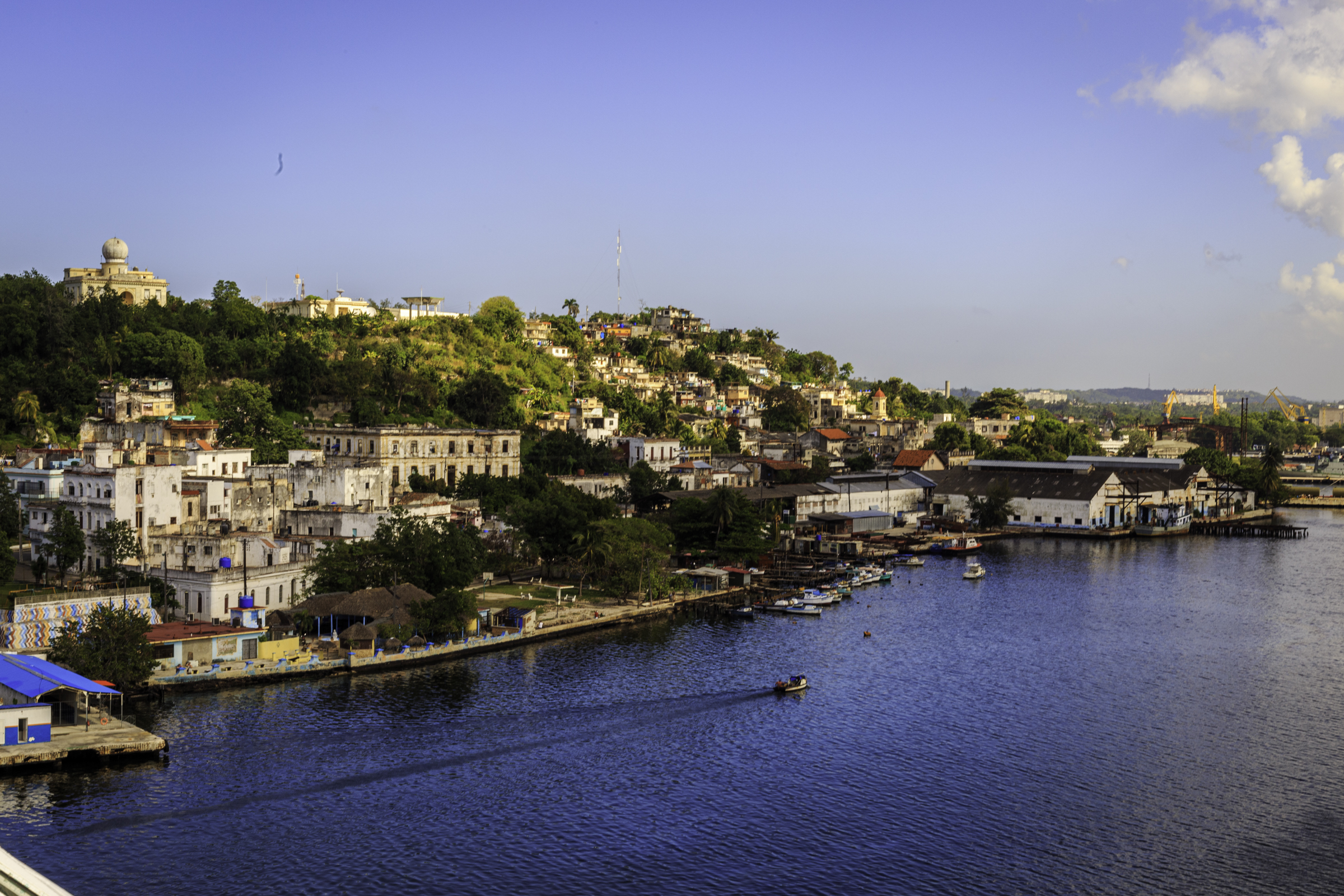
As we moved past the forts, the city began revealing itself.
On one side, high above the water, stood an enormous statue of Jesus.
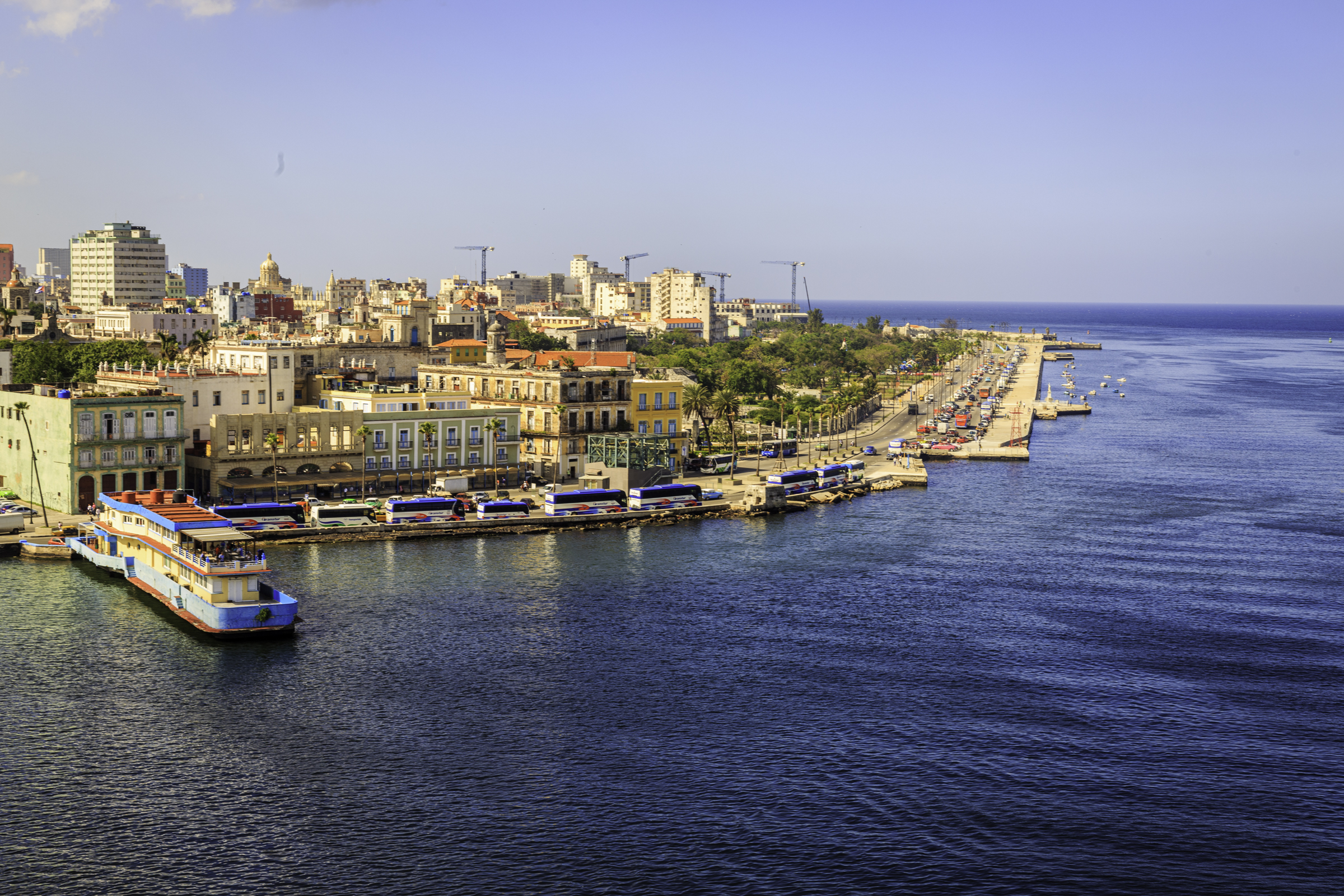
On the other was Havana.
The harbor was lined with activity. Tour buses waited near the waterfront. Cars moved through the streets. Old tankers and cargo ships sat near cranes and working docks.
The city was not still.
It was not abandoned.
It was not waiting around for us to arrive and discover it.
It was busy.
It was colorful.
It was alive.
And even before we stepped off the ship, we could smell it.
Exhaust.
Food.
Pollution.
Saltwater.
Something industrial.
Something familiar.
It reminded me of childhood trips into a city, when the air itself seemed to announce that there were more people, more machines, more food, more noise, and more life than wherever you had come from.
Havana had a smell.
Not necessarily good or bad.
Just alive.
Standing along the edge of the ship, surrounded by strangers trying to take in the same view, I could feel that everyone was carrying some version of the same question:
Is this real?
We had all arrived with expectations built from photographs, history books, political arguments, news reports, family conversations, and whatever else had shaped our understanding of Cuba.
Now the real place was directly in front of us.
And it was already refusing to fit neatly inside what we thought we knew.
One thing we had decided before arriving was that we did not want to take one of the cruise ship’s standard excursions.
Mitzi and Melissa were not having any part of that.
They had found private guides and arranged a private car instead.
Traveling in Cuba came with rules. There were restrictions regarding where Americans could spend money and which businesses we could support.
We had to be careful about avoiding government-operated restaurants and other Cuban state-controlled enterprises.
There was plenty of confusion and probably some shadiness mixed into the process. We did the best we could with the information we had.
Once the ship docked, we disembarked and went through Cuban customs.
Then we stepped directly into chaos.
The first area we entered was a market, although calling it a market does not quite capture it.
It was closer to pandemonium.
Imagine the busiest flea market you have ever visited, then remove whatever sense of personal space, organization, marked booths, or orderly movement it may have had.
People were everywhere.
Buying.
Selling.
Calling out.
Moving through one another.
Tables were covered in souvenirs, artwork, clothing, wooden trinkets, cigars, and anything else someone thought a tourist might carry back onto a ship.
I do not know whether spaces were assigned or whether people simply arrived and claimed whatever patch they could find.
It felt less like a carefully arranged commercial area and more like every person there was trying to make the most of a few hours while a ship full of tourists passed through.
That market gave me one of my first small lessons about Cuba.
We had imagined a completely isolated country, cut off from the outside world.
Then I picked up a little wooden cigar souvenir and found a sticker on the bottom.
Made in China.
Made in China.
Of all the things I expected to find in Cuba, that was not one of them.
It seems obvious now, but in that moment something clicked.
Cuba was not entirely cut off from the world.
It was cut off from us.
Those were not the same thing.
The island still had trade. Goods still arrived. Products still moved across borders.
China had found its way into a Cuban tourist market even while Americans spent decades thinking of the country as sealed behind glass.
We avoided the imported souvenirs as much as we could and looked for things that had actually been made there.
We found a small handmade wooden car for our grandson, something simple that had been crafted in Cuba rather than shipped halfway around the world and sold as Cuban.
Then we made our way through the market to find our guides.
Melissa and Mitzi had already been texting with them, and as we walked into the plaza outside, the Cuba from all those internet searches finally appeared.
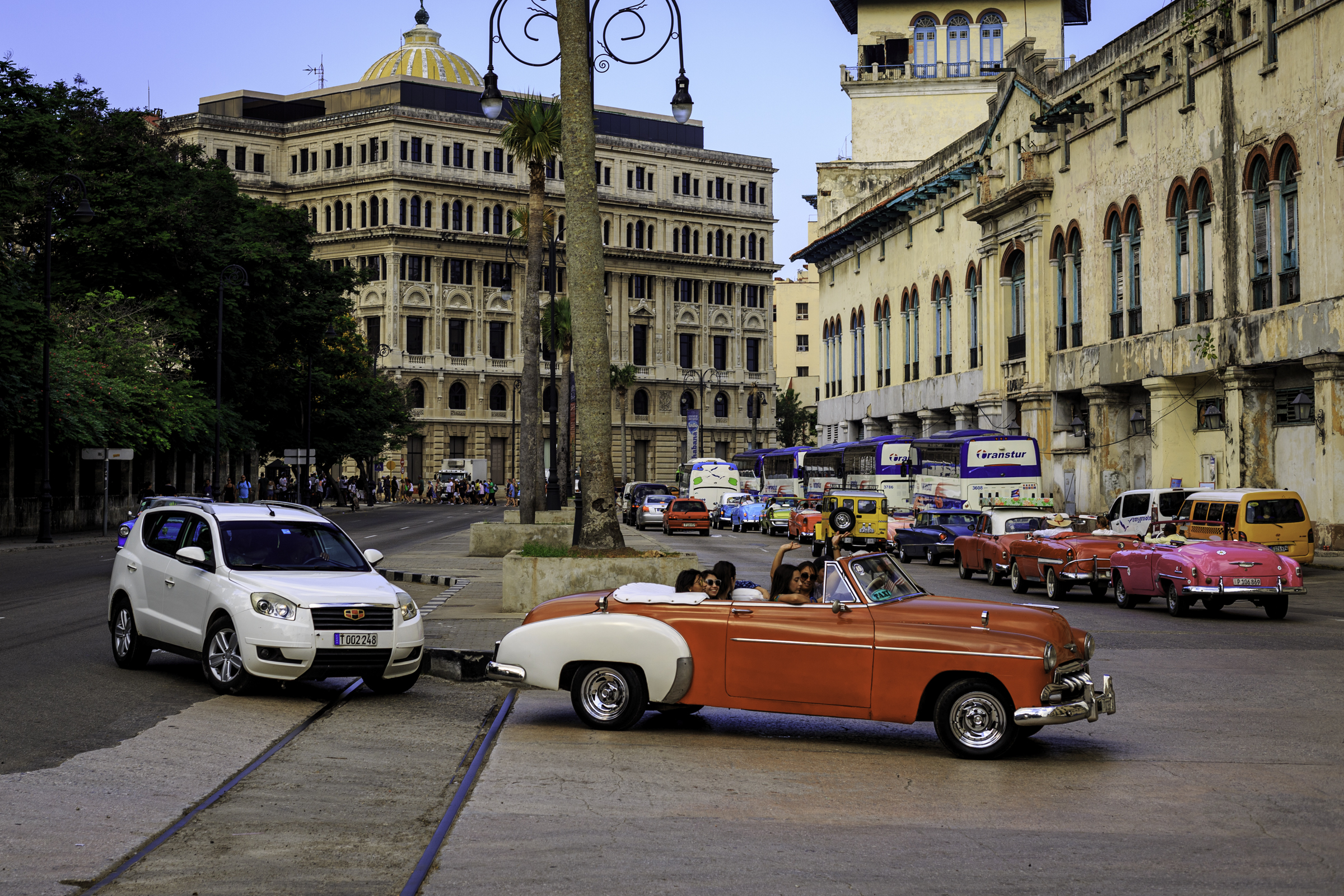
The cars.
Chevrolets, Fords, Buicks, Mercurys, Plymouths, and others from the 1940s and 1950s lined the area, many of them operating as taxis for tourists.
They were the cars everyone expected to see because they had become one of the defining images of Havana.
But even that familiar sight was more complicated than it appeared.
These were not museum pieces rolled out for our entertainment.
They were privately owned machines, often passed down through generations, kept running through necessity, ingenuity, modification, fabrication, and stubborn determination.
Some still carried much of what they had been when they were new.
Others had been altered in ways their original manufacturers could never have imagined.
There is an entire story to tell about the cars of Cuba.
But that would come later.
For now, we were looking for ours.
Then we found them.
Our driver was Julio.
Our guide was Ernesto.
And waiting beside them was the car that would carry the four of us around Havana for the next two days: a 1949 DeSoto two-door coupe with the roof cut off.
It was old, modified, imperfect, and absolutely beautiful.
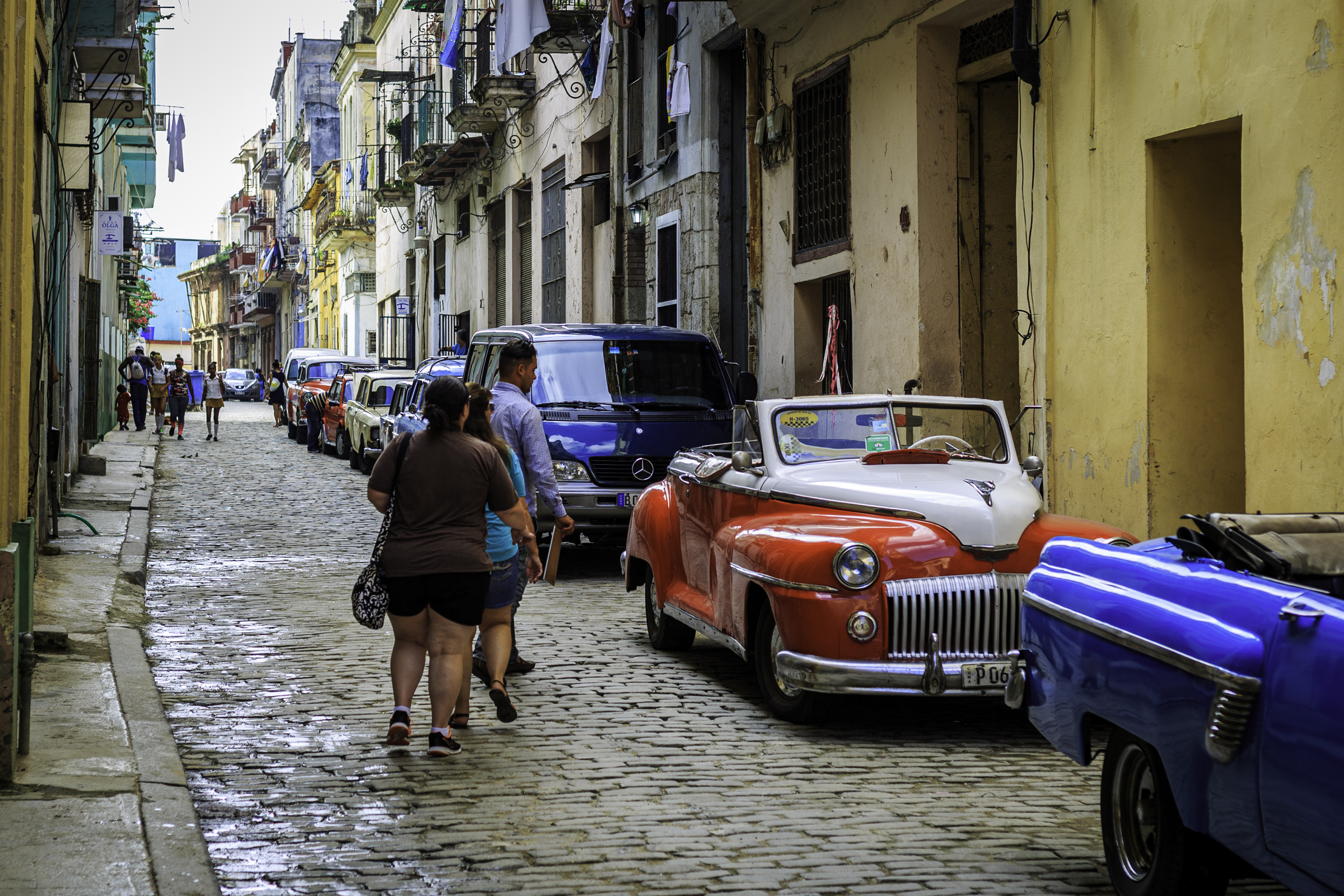
We climbed inside.
And that was where the real adventure began.