
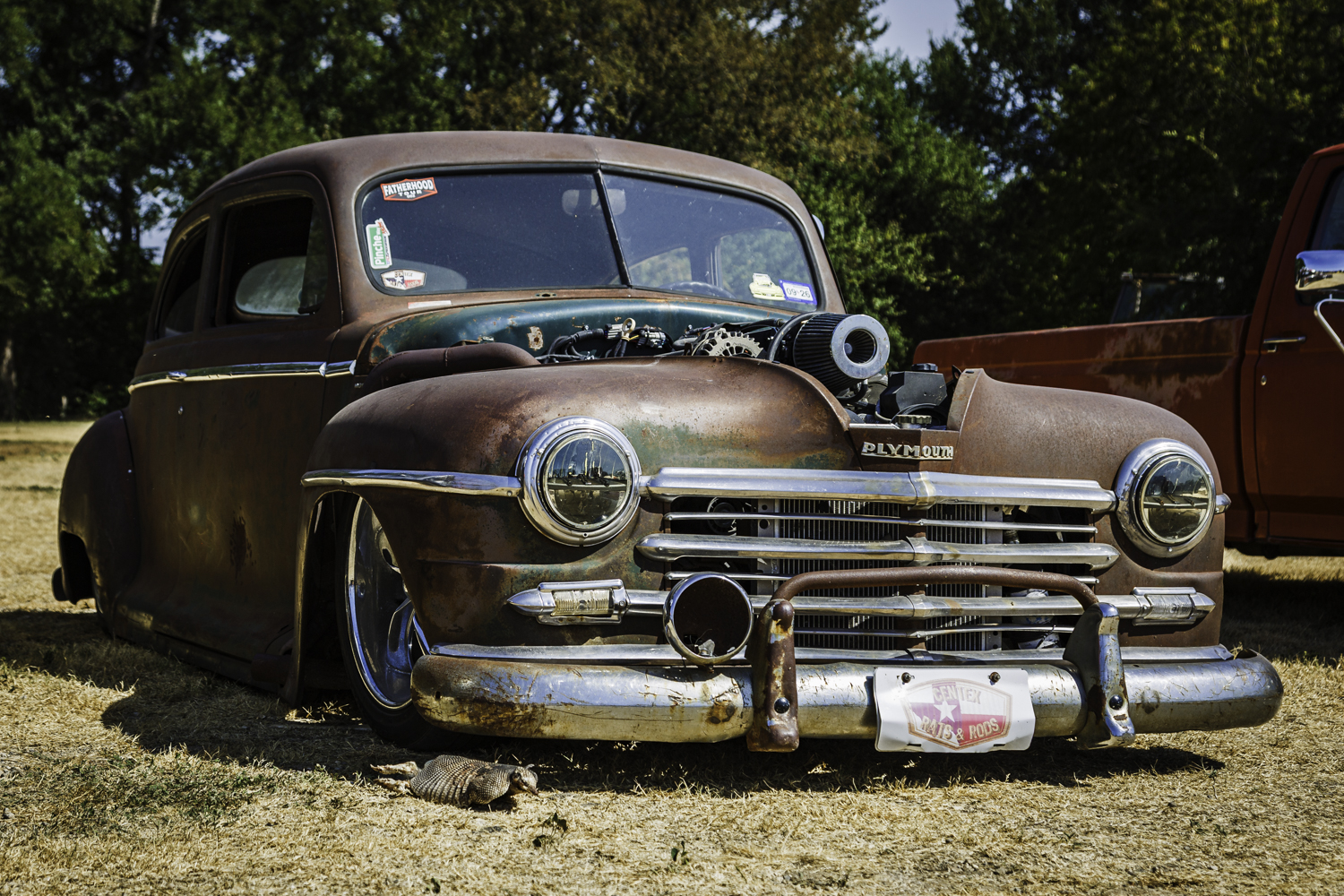
It had been a while since we had been to a local car show.
Not because we stopped enjoying them. Life just has a way of moving things around. Weekends fill up. Other plans take priority. Before long, something that once felt familiar starts to feel like something from another season of life.
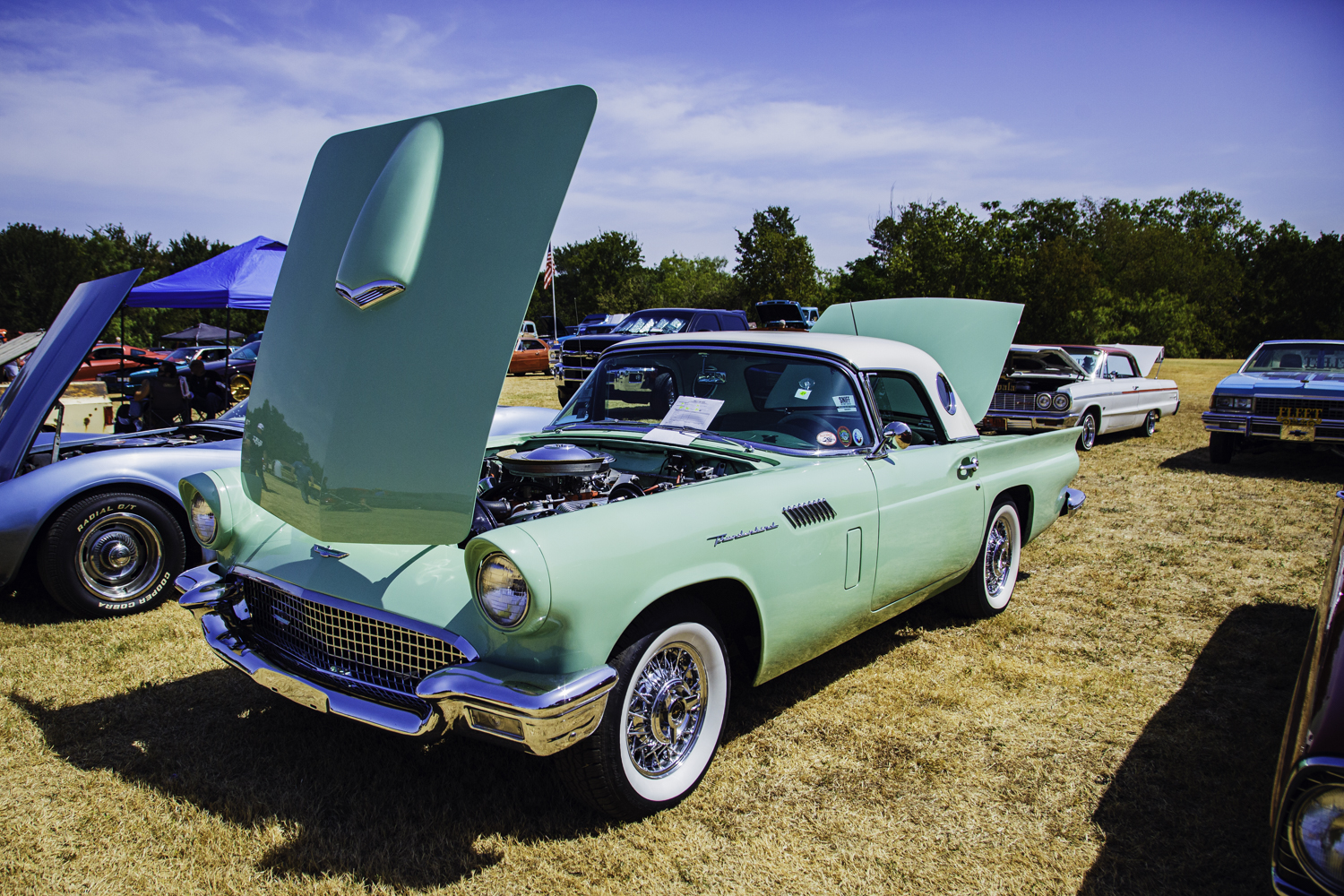
So when we made our way out to the Rally for Jack car, truck, and bike show in Waco, I expected what I usually expect from a car show: rows of polished paint, open hoods, folding chairs, loud exhaust, and people standing around talking about engines as if they were discussing members of the family.
All of that was there.
But this one was not just another Saturday car show.
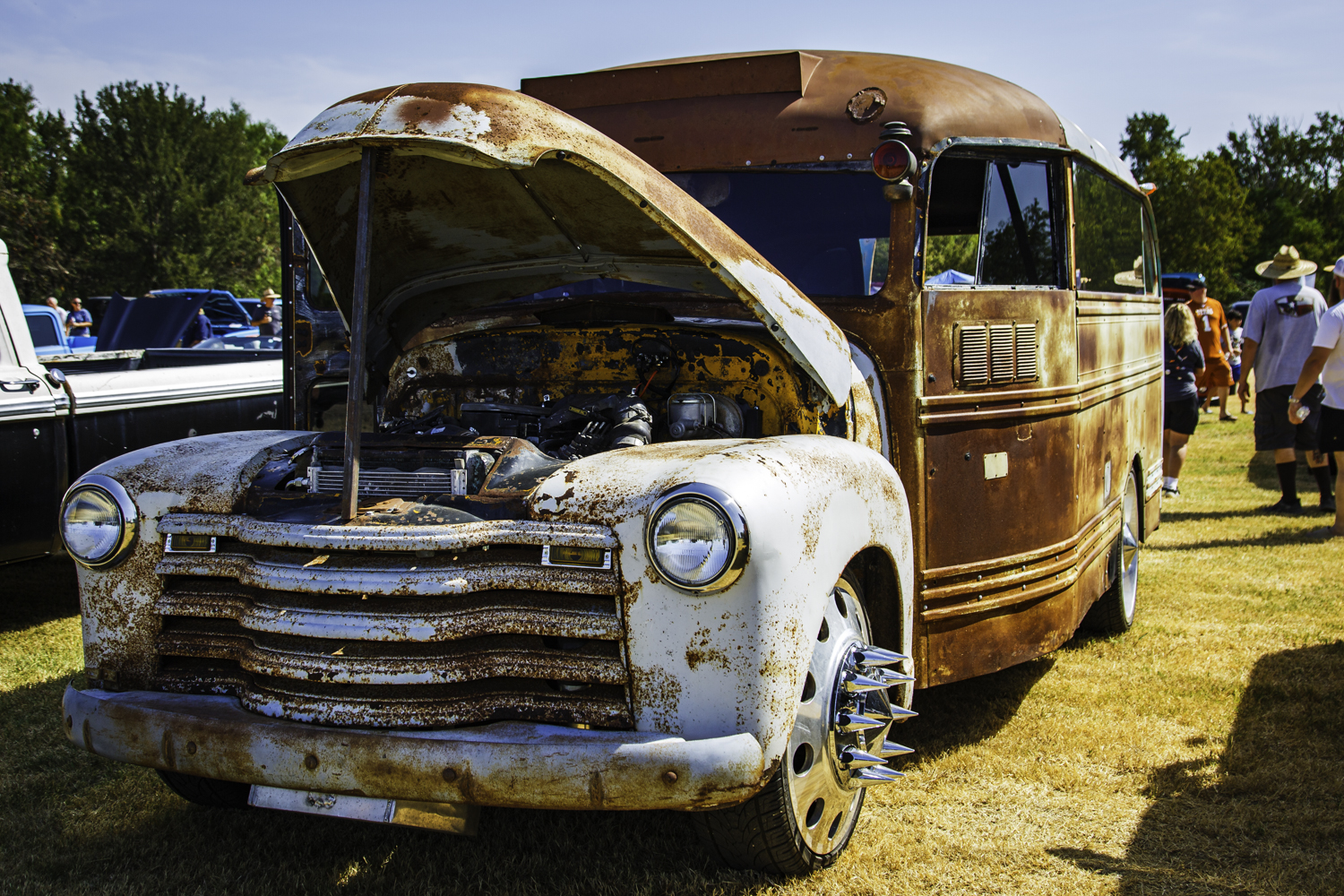
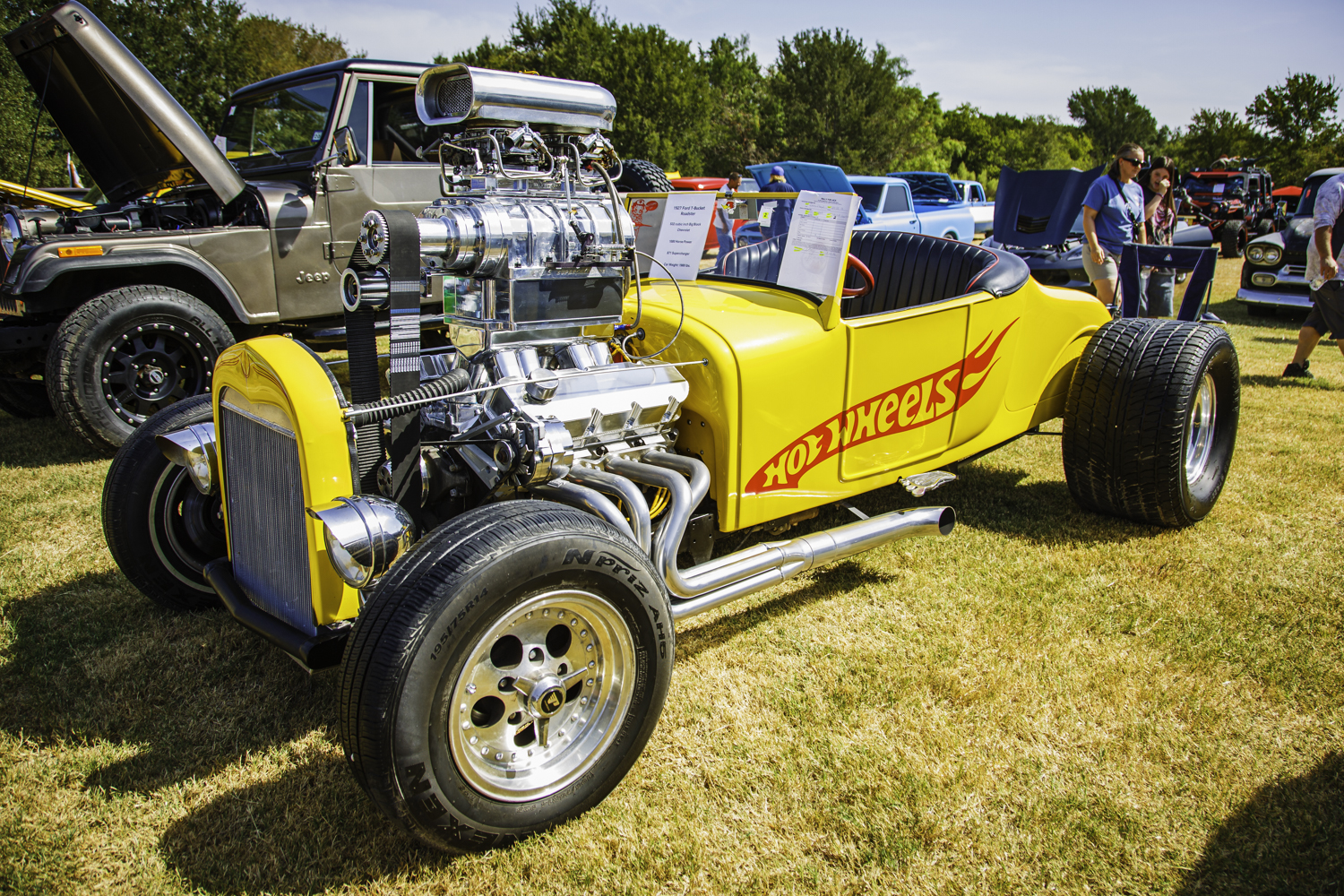
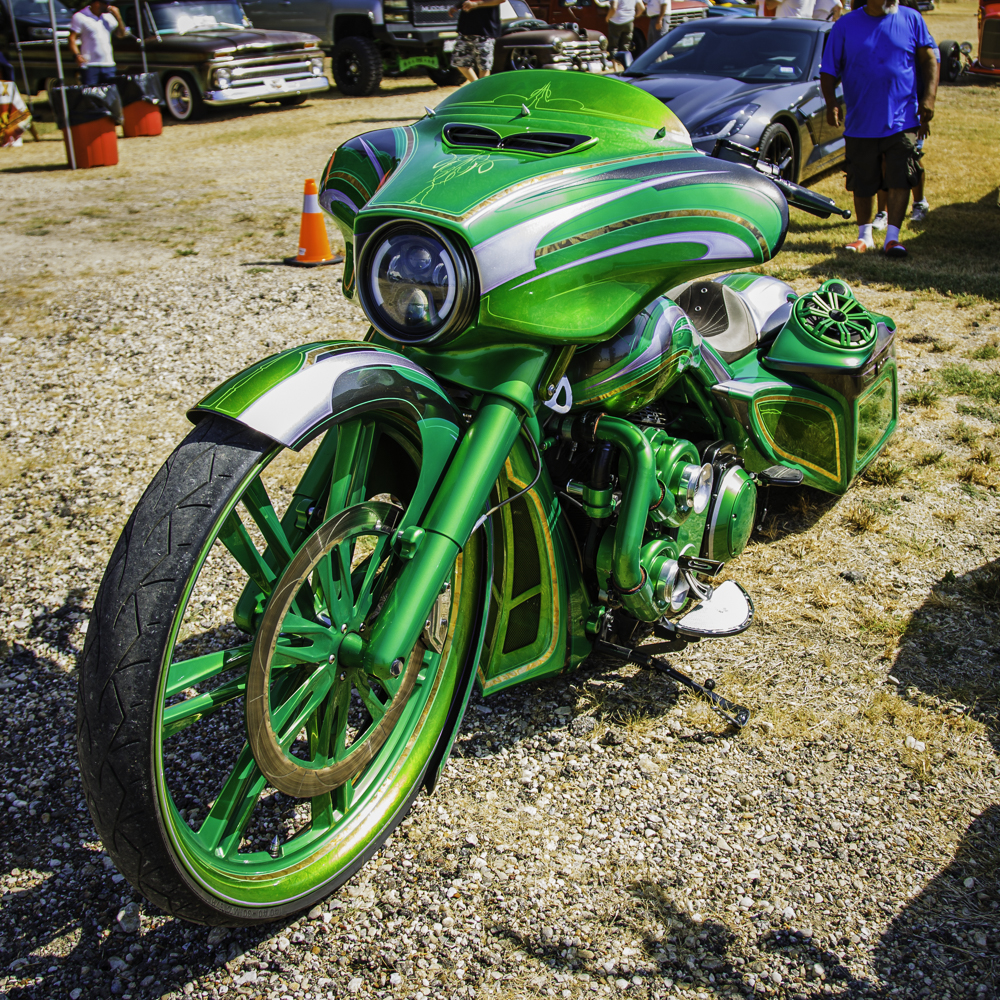
The event had been organized by CenTex Rats & Rods to support one of their own, Jack Hanna, who is battling stage-four lung cancer.
There was barbecue, raffles, silent and live auctions, music, awards, and a parking lot full of cars, trucks, motorcycles, and people who had decided that showing up mattered.
That part should not have surprised me.
We have seen it before.
It is part of car culture.
The people society sometimes looks at a little differently—the tattooed ones, the grease-covered ones, the loud ones, the ones with long beards, cut-off sleeves, and machines that sound like thunder—are often the first to lend a hand when somebody needs one.
Some people may find them intimidating.
But when something breaks, these are usually the people everyone calls.
They know how to fix things.
They know how to make things work.
They know how to look at a problem, study it for a minute, and start figuring out what needs to happen next. While the rest of the world may say, “I need to call somebody,” these are often the people being called.
And most of the time, they are not calling anybody.
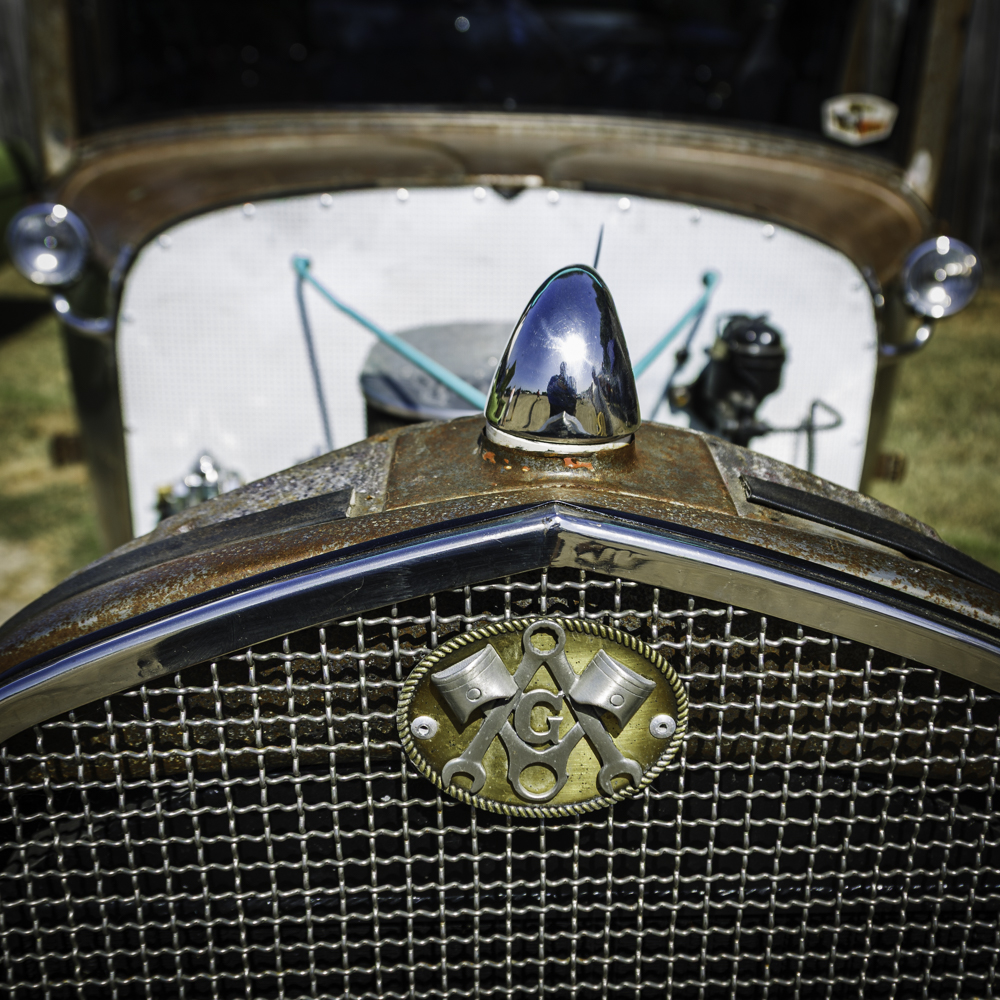
There is something I admire about people like that. They may not always have polished words. They may not be the loudest people in the room when it comes to expressing emotion.
They may never post long explanations about what friendship means or what community is supposed to look like.
They just show up.
They bring the grill.
They bring the cars.
They gather donations.
They find auction items.
They sell shirts.
They stand in the heat.
They do what needs to be done.
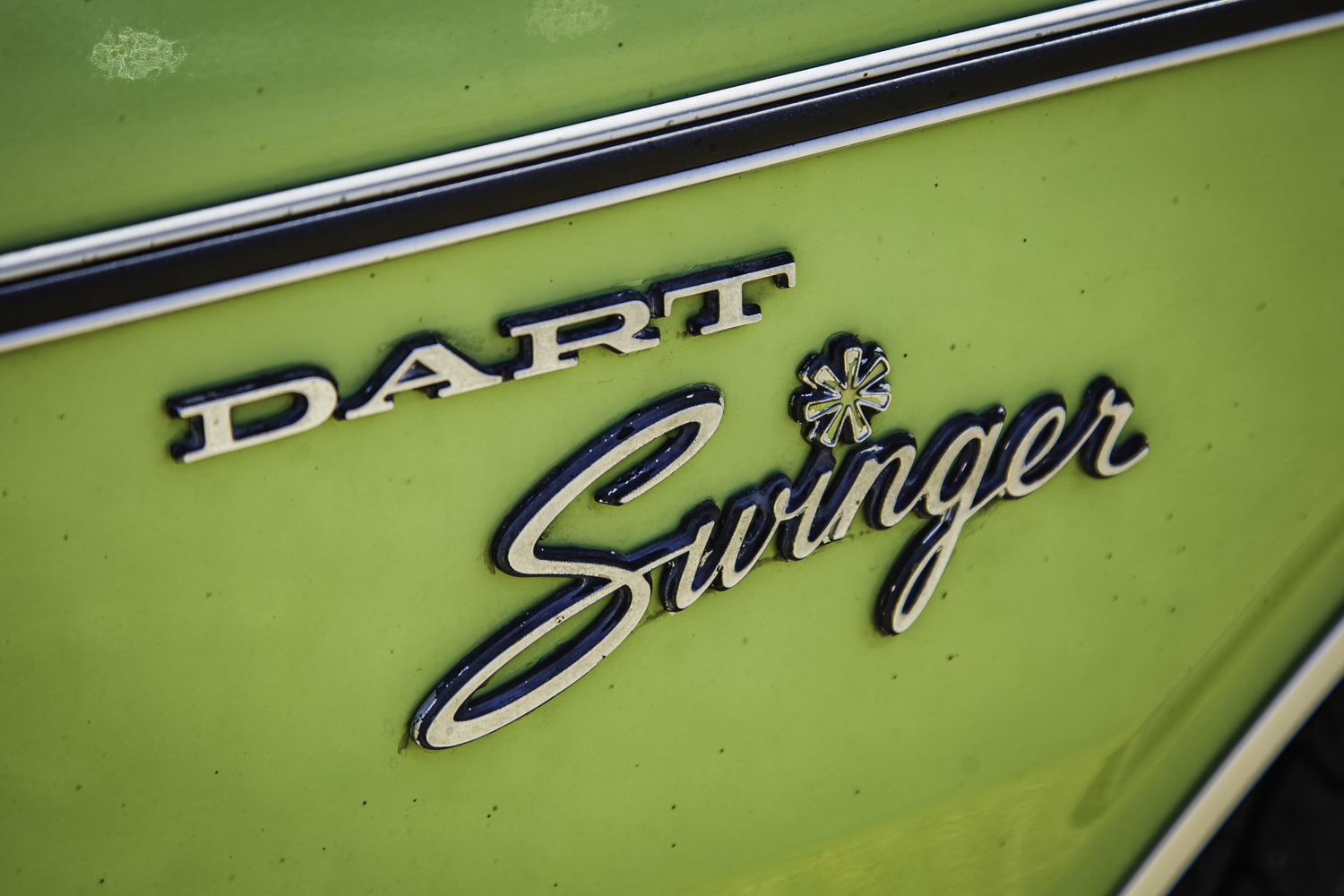
That may be one of the things I appreciate most about car culture. A lot of what matters most about it is quiet.
Not quiet in terms of volume, obviously. There is nothing quiet about a cammed engine, a chopped motorcycle, or somebody firing up a truck that was never built with subtlety in mind.
But the people—and especially the creativity behind what they build—often are.
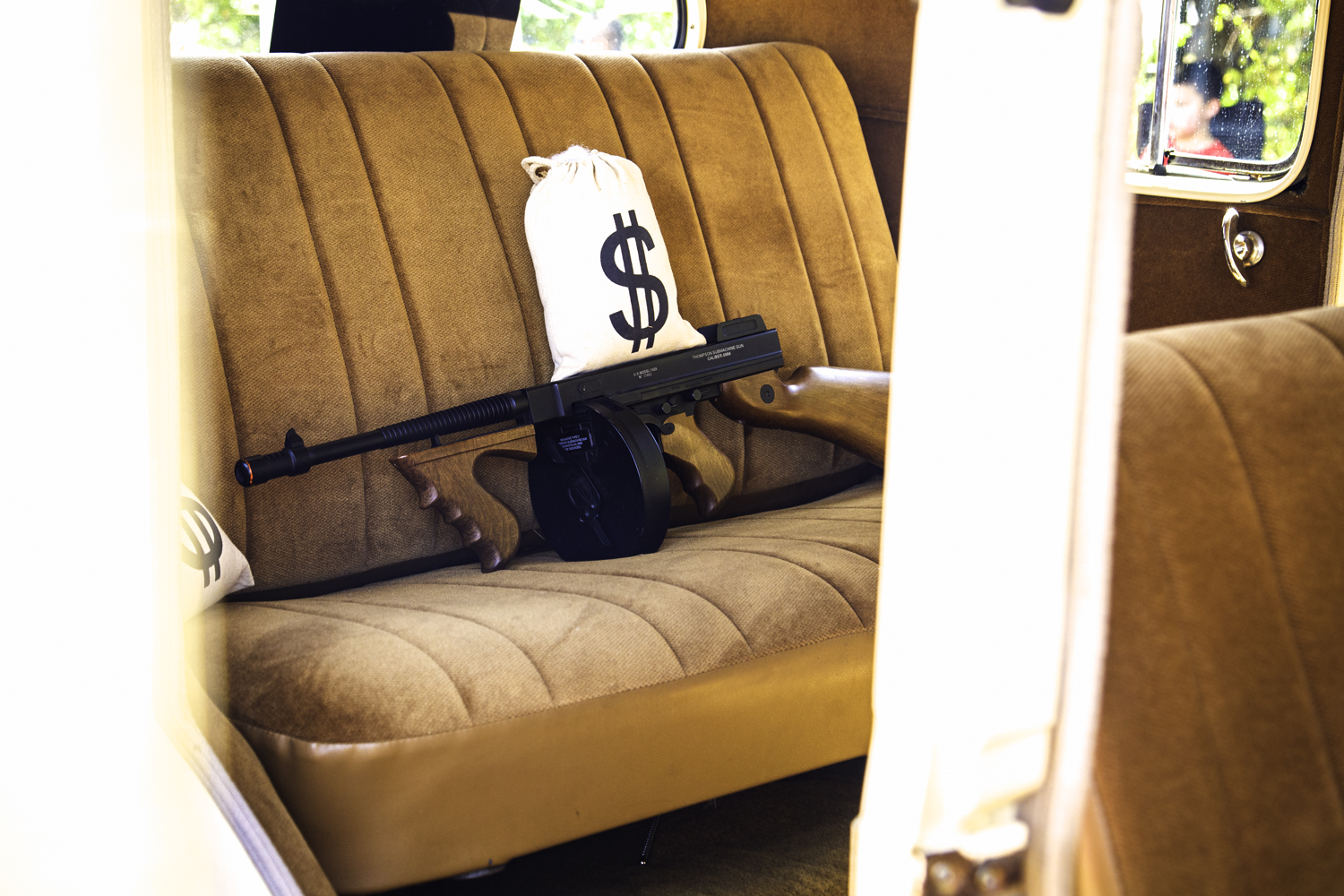
A lot of these men and women may never describe themselves as artists. Some of them might laugh if you tried to call them that.
They may not work with canvas, clay, or traditional materials. Still, their ideas come out in steel, paint, chrome, leather, rubber, and whatever else they can adapt from something never meant to be part of a vehicle.
That is where the creativity speaks.
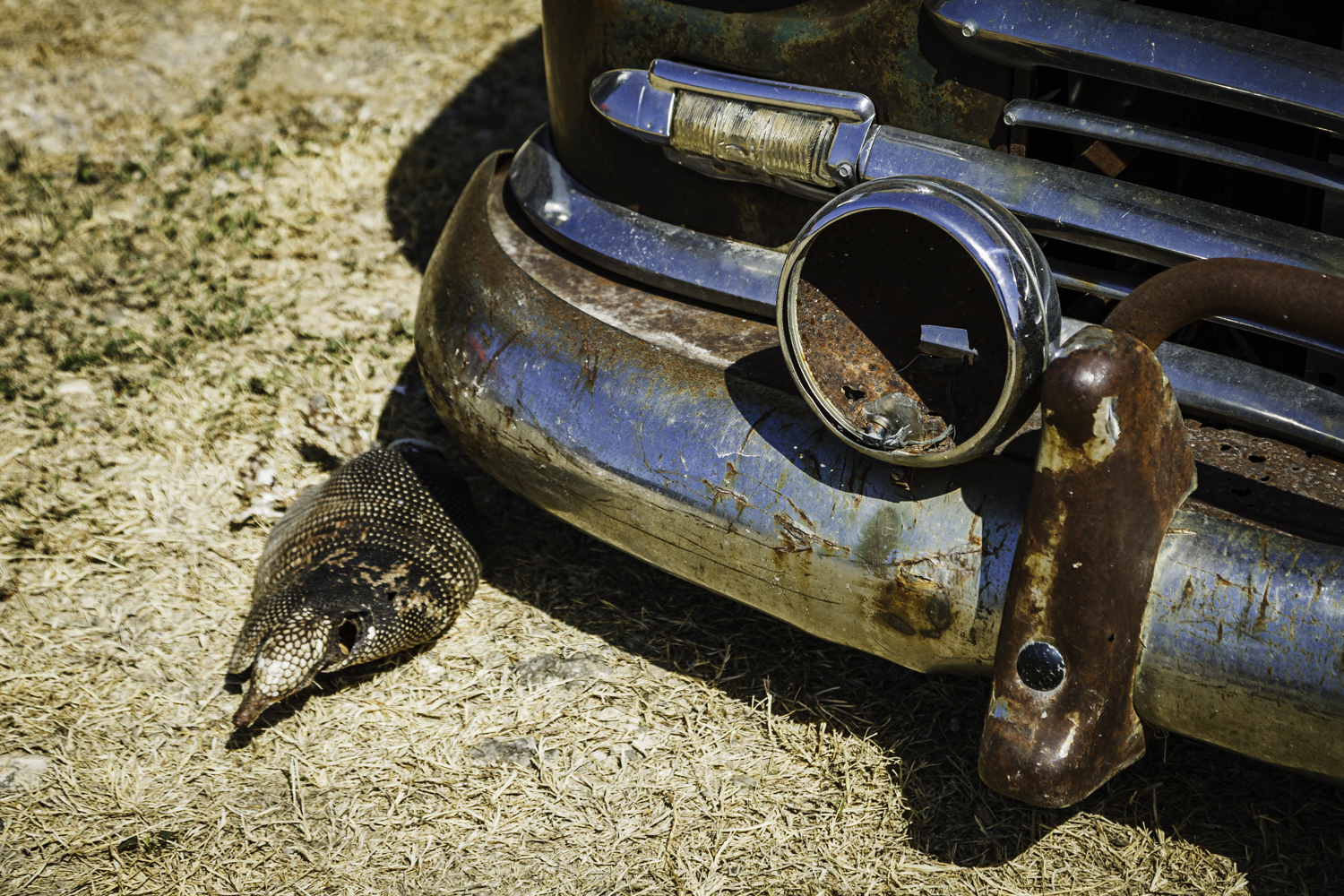
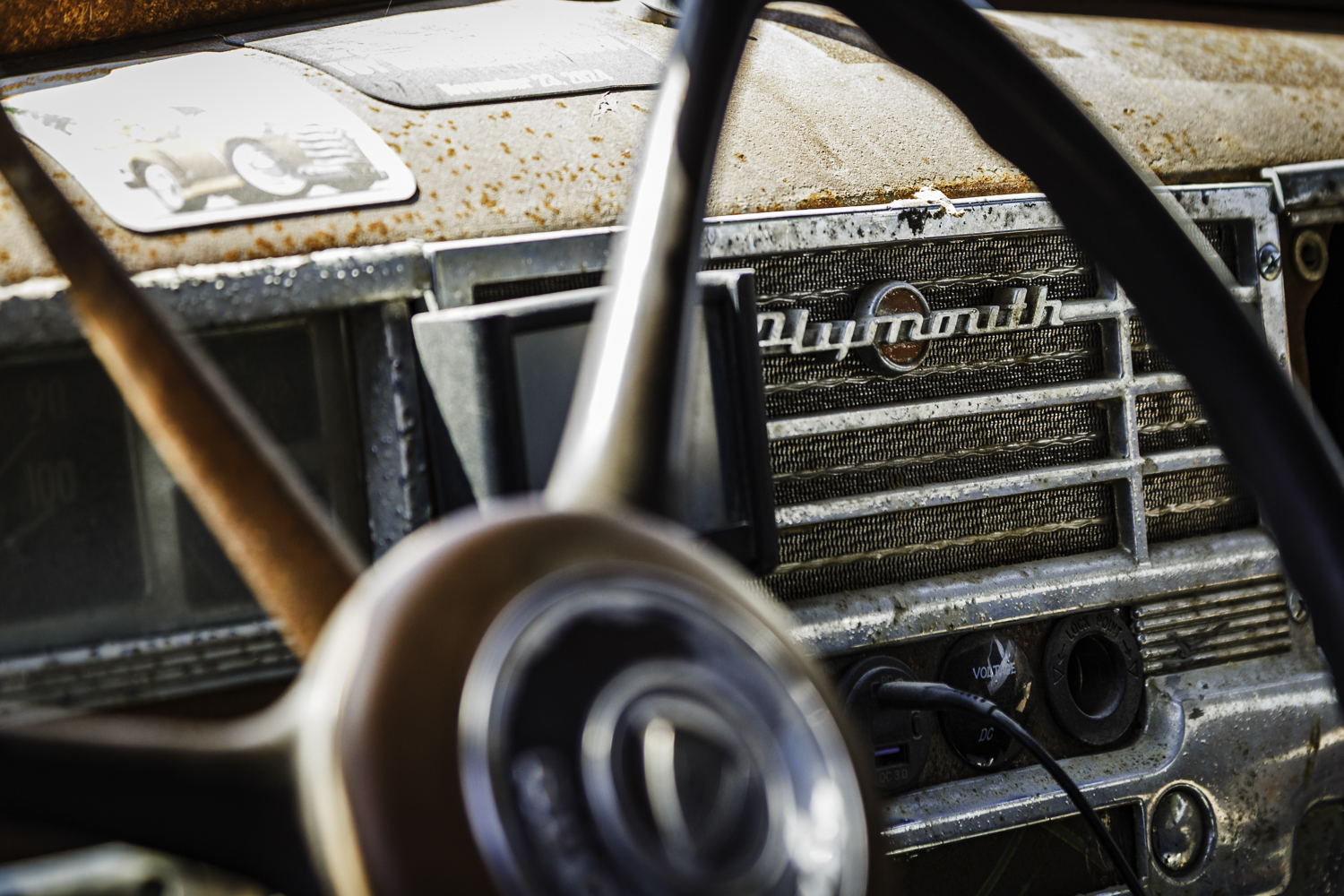
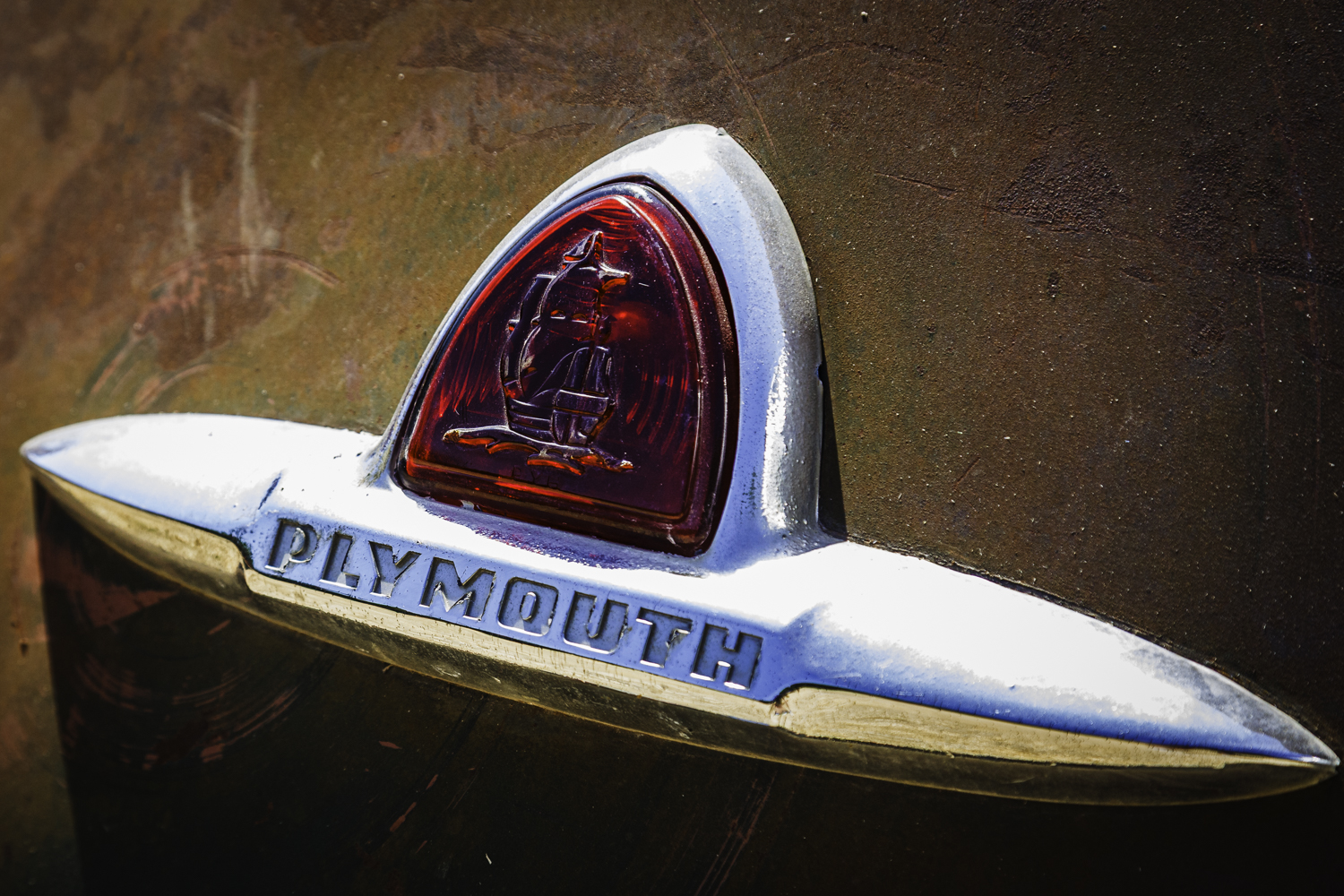
The color.
The stance.
The bodywork.
The welds.
The paint scheme.
The wheels.
The engine.
The tiny details that most people walk past without noticing.
You see it in the choice to restore something exactly as it was built—or to throw every expectation out the window and create something no one else would have imagined.
That is the beauty of a car show.
You are not just looking at transportation. You are looking at personalities, ideas, patience, problem-solving, and years of work sitting out in the open for everyone to see.
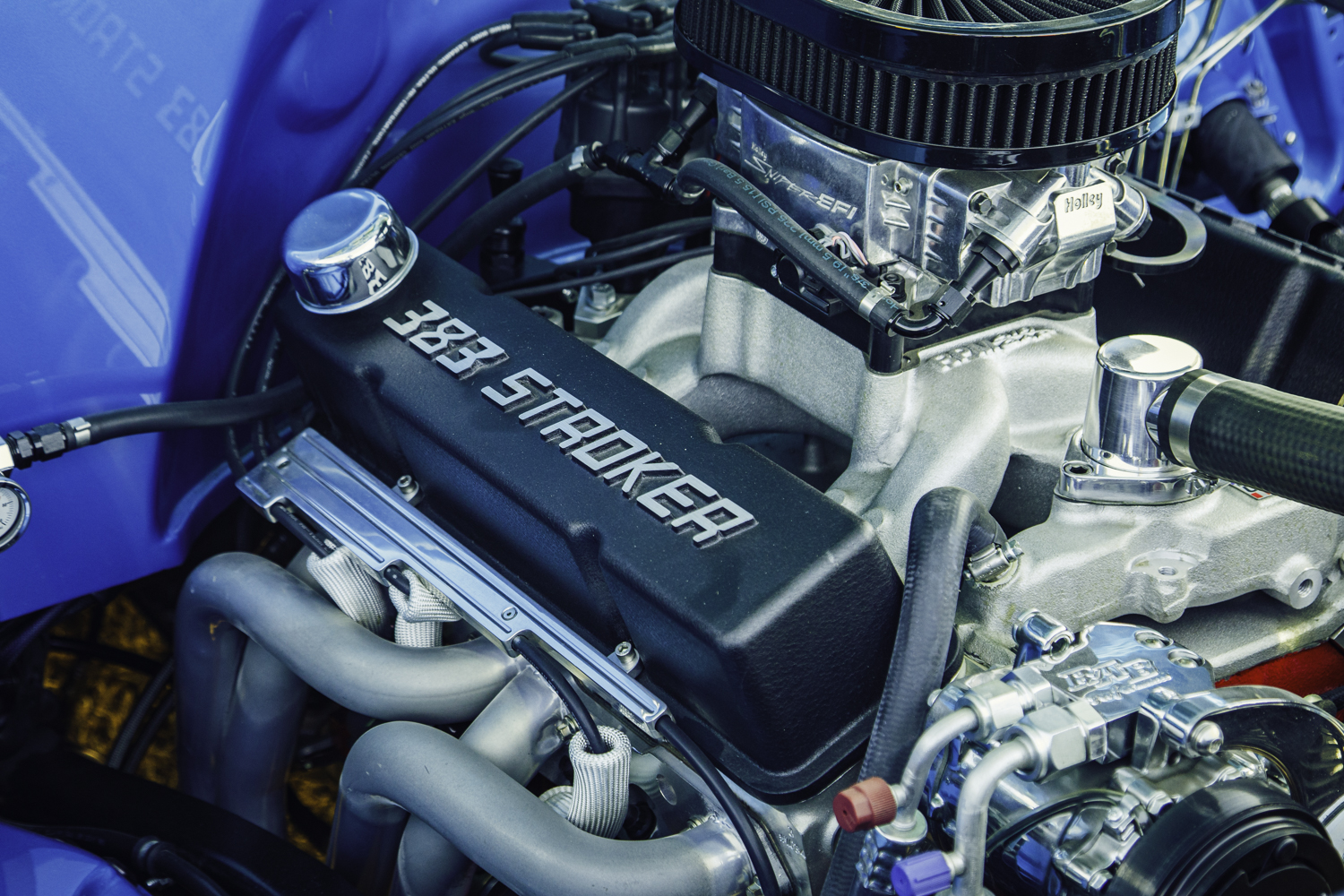
Some builds are polished to perfection.
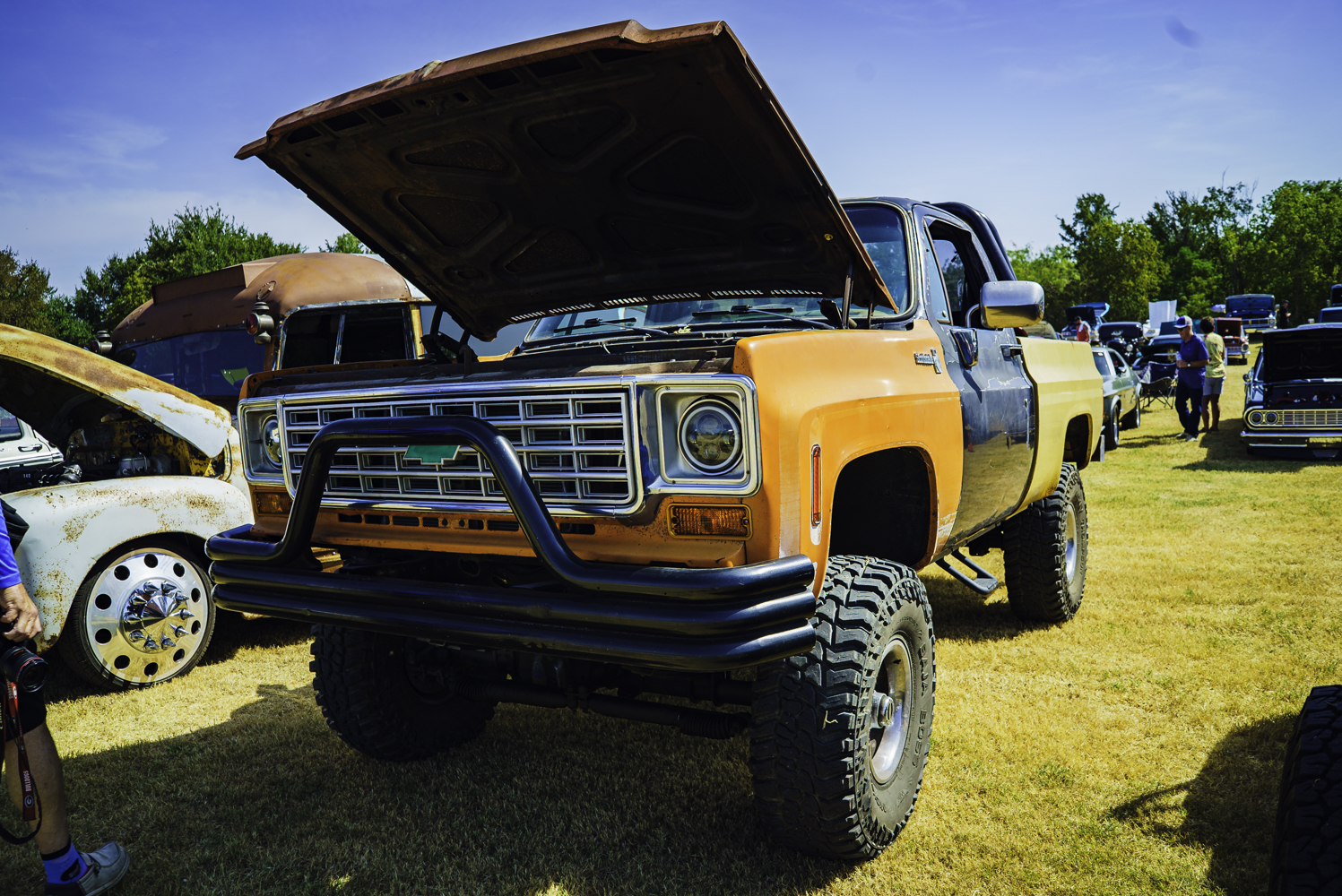
Some proudly wear every dent, scratch, and patch of rust.
Some are faithful restorations. Others are modified until there is barely a trace of the original machine left.
Some were built for speed. Some were built to cruise.
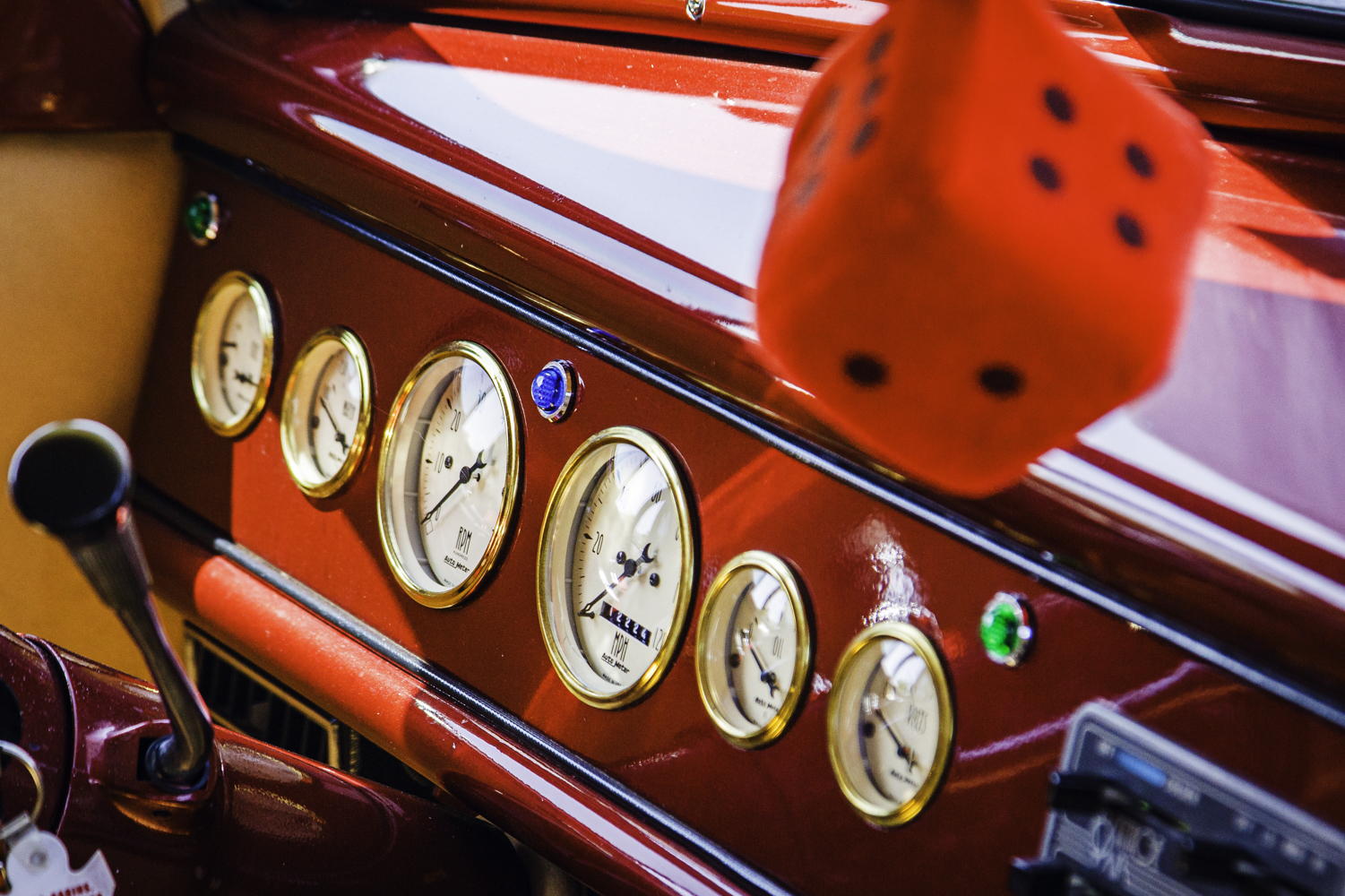
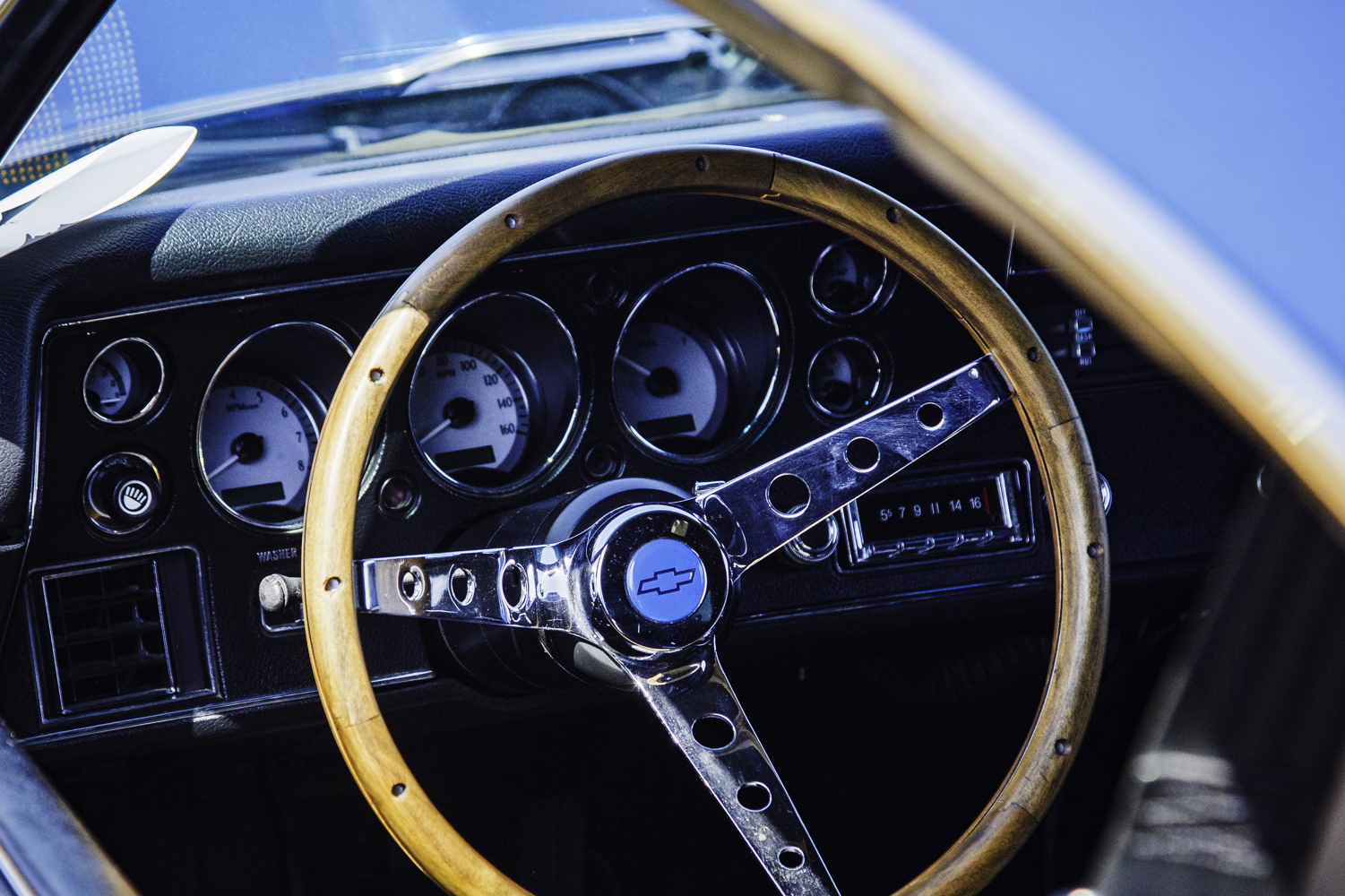
Some look like they drove straight out of another decade, while others appear to have been assembled from old farm equipment, aircraft parts, spare metal, and pure stubbornness.
There is a place for all of it.
Nobody particularly likes being labeled, but there really is a niche for everyone.
Rat rods.
Resto-mods.
Choppers.
Classic hot rods.
Street rods.
Lowriders.
Muscle cars.
Daily drivers.
Custom trucks.
Motorcycles built for comfort, speed, noise, or all three.
And every one of those categories breaks into smaller categories once you start talking to people who really know what they are looking at.
That is part of the fun.
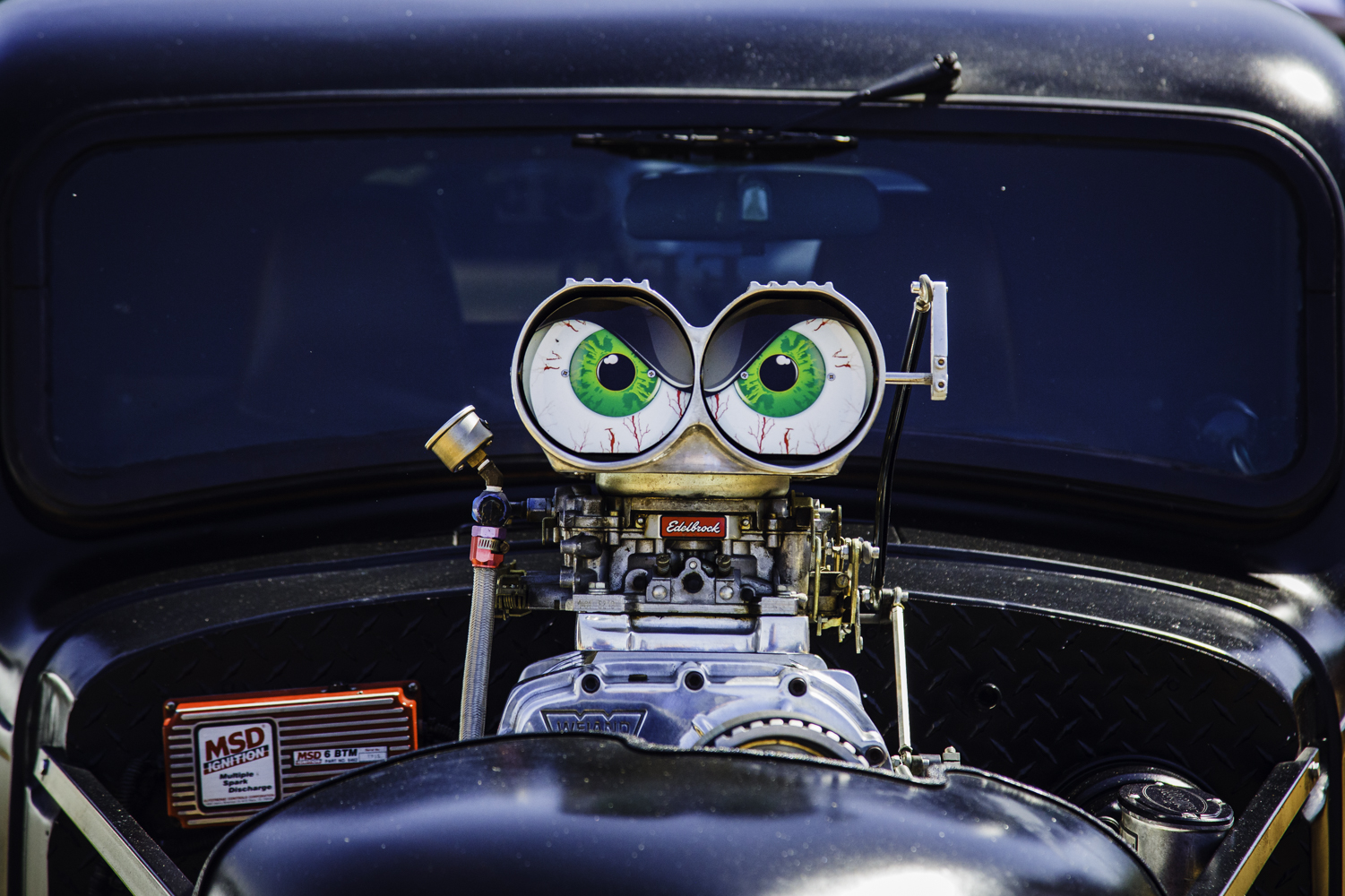
You can walk into a show knowing almost nothing about one type of vehicle and find someone who has spent years learning every detail.
Most of the time, all you have to do is ask the right question.
They will tell you why they chose that engine, where they found that part, what they had to fabricate themselves, what went wrong the first time, and what they would do differently if they ever built another one.
The machine becomes the beginning of a conversation.
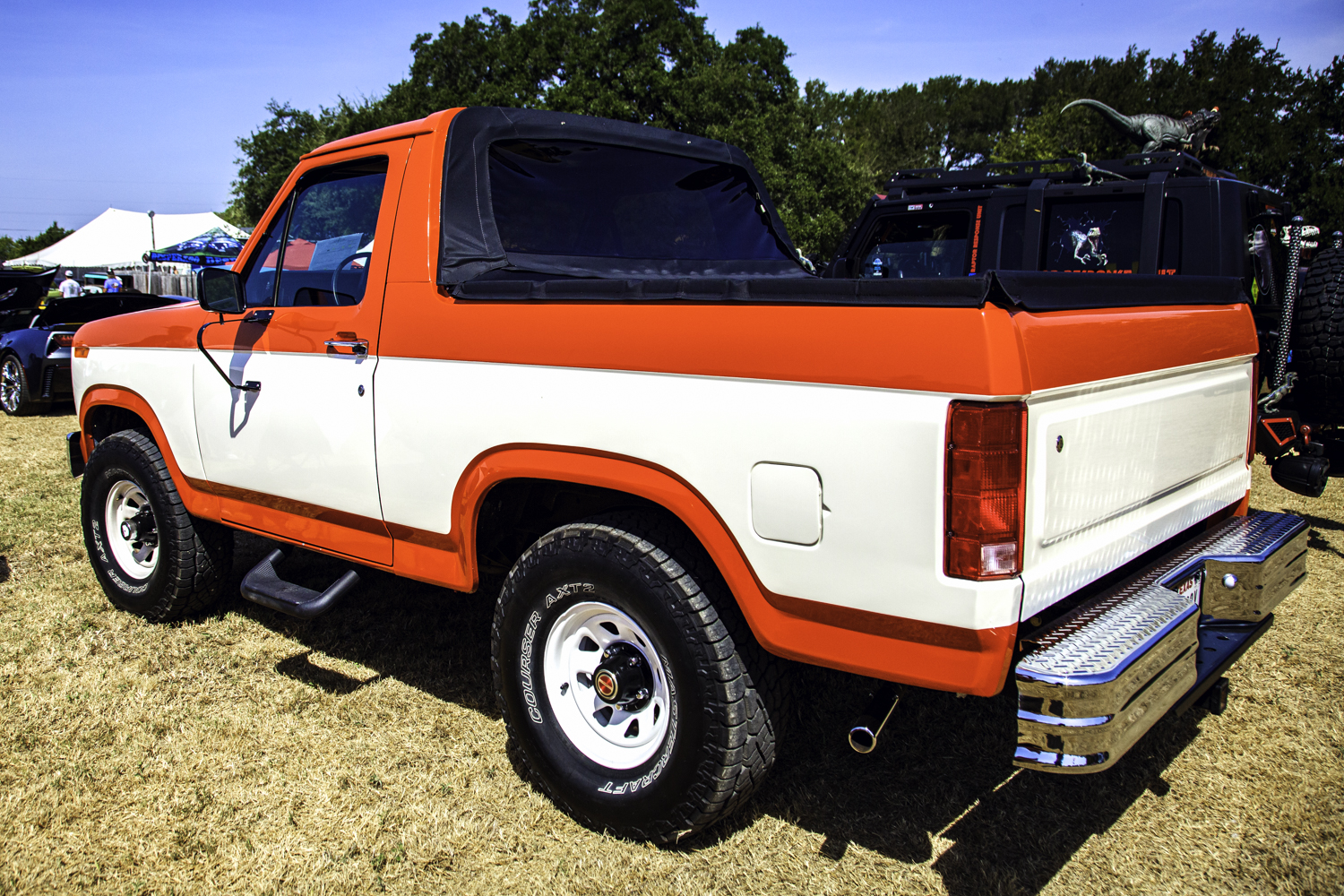
And despite all the differences—Ford or Chevy, polished or rusty, original or modified, two wheels or four—there is usually a sense of camaraderie underneath it all.
Everybody may have their preferences. They may give each other a hard time. They may argue about engines, paint, brands, horsepower, and whether a certain modification should ever have been attempted.
But when somebody needs help, those arguments suddenly seem a lot less important.
That was the real story at Rally for Jack.
The cars brought people together, but the cars were not the reason everyone was there.
They were there for a friend.
They were there for Jack and his family.
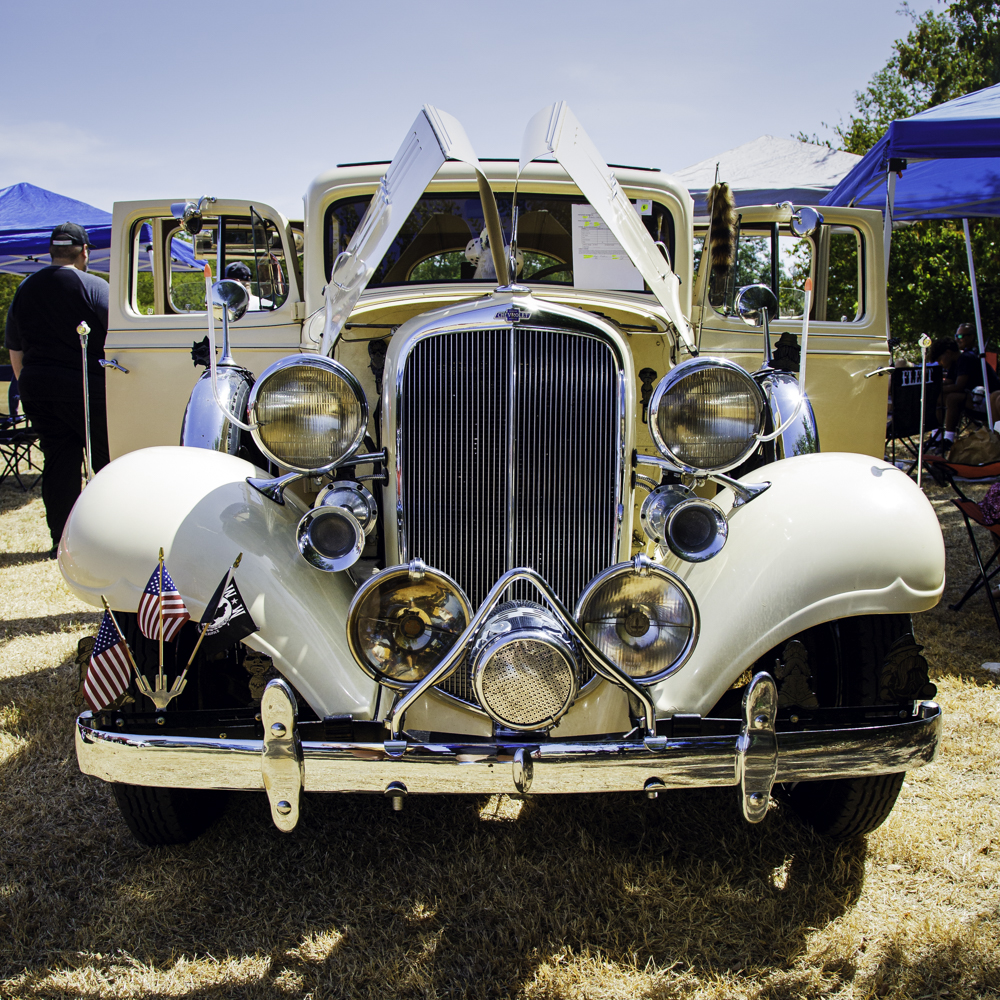
The vehicles were simply the language this community already spoke.
And that day, they spoke it loudly.
They filled the parking lot with machines that represented thousands of hours of work and decades of accumulated knowledge.
They cooked food, donated prizes, bought raffle tickets, bid on auction items, and used the thing they loved to help someone they cared about.
That is car culture at its best.
It is not just engines and paint.
It is not just noise, speed, chrome, and old steel.
It is people who know how to build things—and who understand that sometimes what needs to be built is not a car at all.
Sometimes it is support.
Sometimes it is hope.
Sometimes it is a reminder that a person and his family are not standing alone.
And sometimes it looks like a parking lot full of cars on a hot Saturday afternoon, surrounded by the kind of people who know how to get things done.